
Blog
Discover our latest articles and blogs
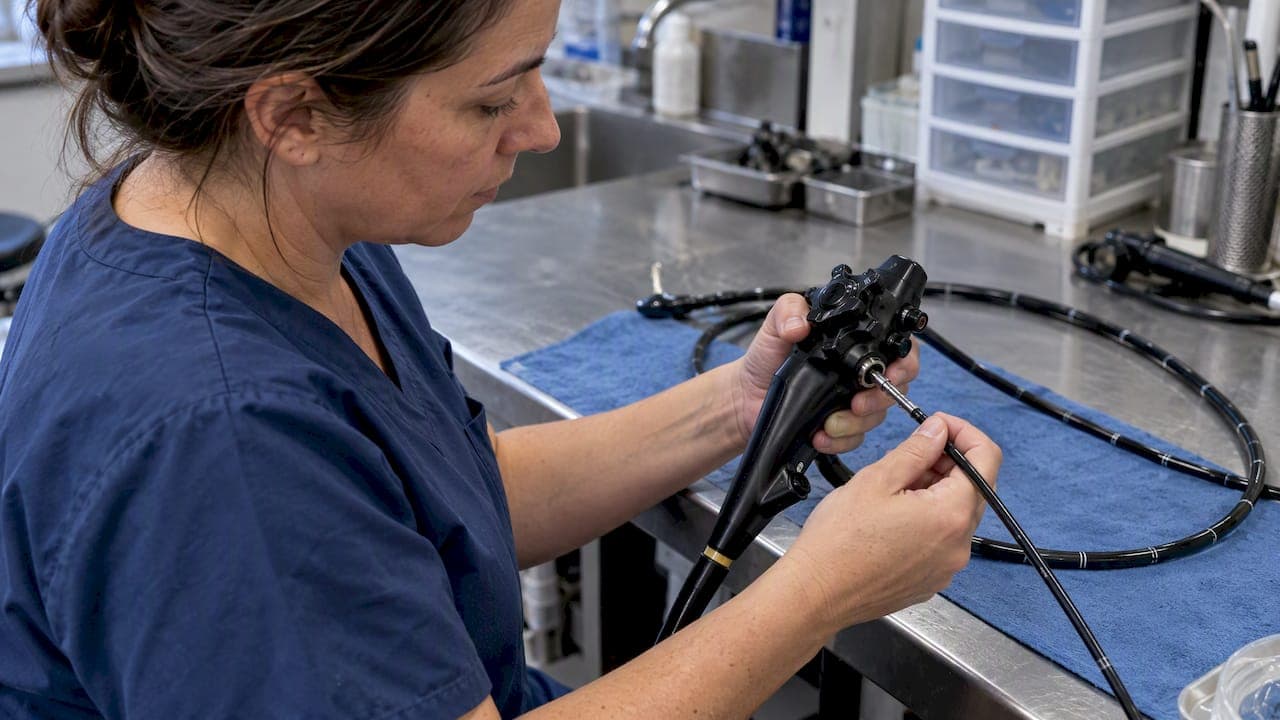
Biopsy Channel Diameter Mismatch: How to Avoid It
A biopsy forceps that doesn't fit its endoscope channel binds, damages the scope and wastes a procedure. Learn how to check sizes before you buy or use one.
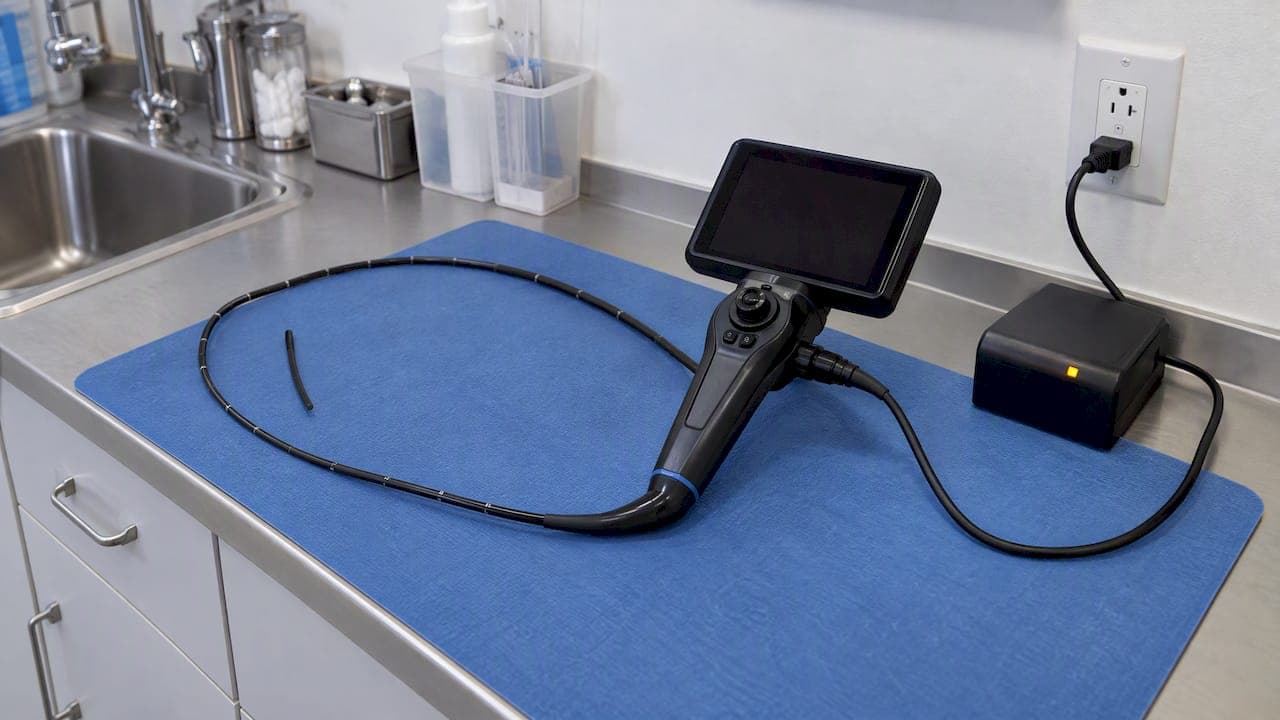
Videoscope Battery Maintenance: A Practical Guide for Vet and Inspection Teams
How to inspect, charge, store and retire videoscope batteries in a vet clinic or inspection shop, with a shift checklist and clear rules for when to pull a pack.
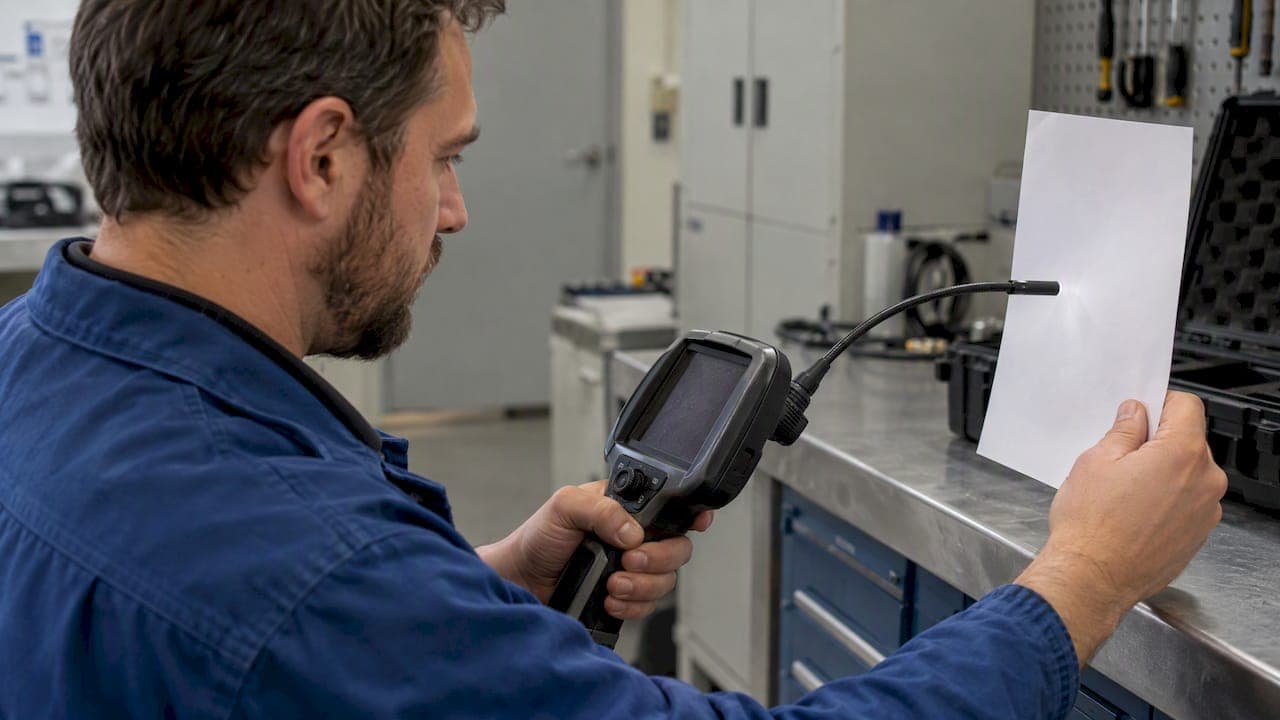
Endoscope White Balance: How to Do It Right Every Time
Learn how to white balance an endoscope or videoscope: when to do it, what to point at, why it fails and how to fix color cast in vet and industrial work.
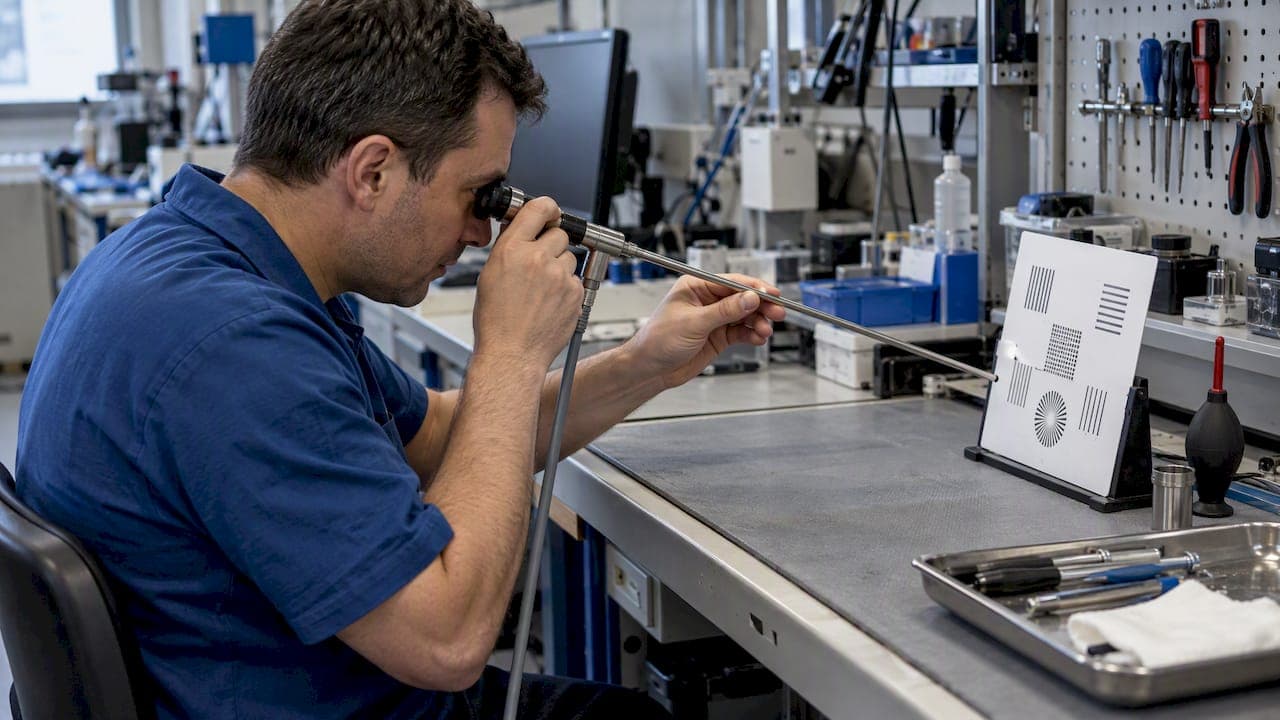
Post-Repair Endoscope Calibration: What to Check Before Use
What post-repair endoscope calibration should cover, how to run your own acceptance check on a returned scope, and when to repair or replace.
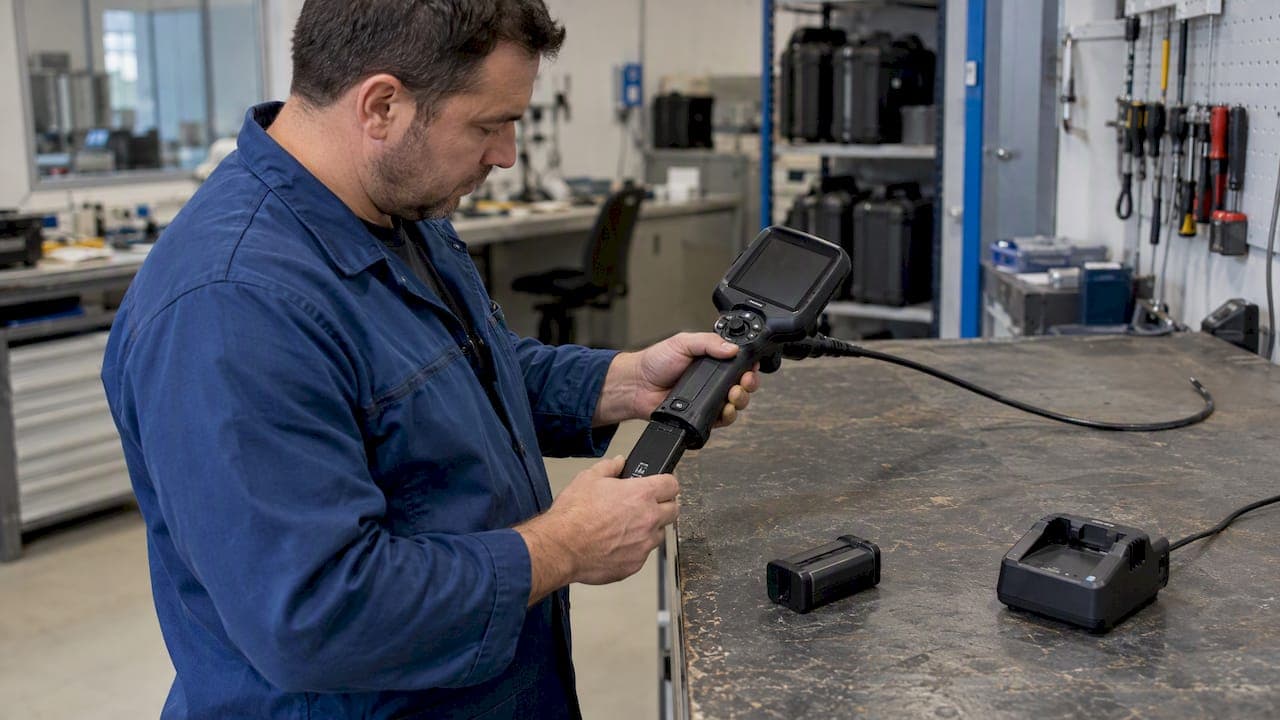
Hot Swappable Videoscopes: 7 Steps to Swap Batteries Without Pausing
Learn the seven step hot swap workflow for videoscopes, with spare battery planning and a procurement checklist for uninterrupted field inspections.
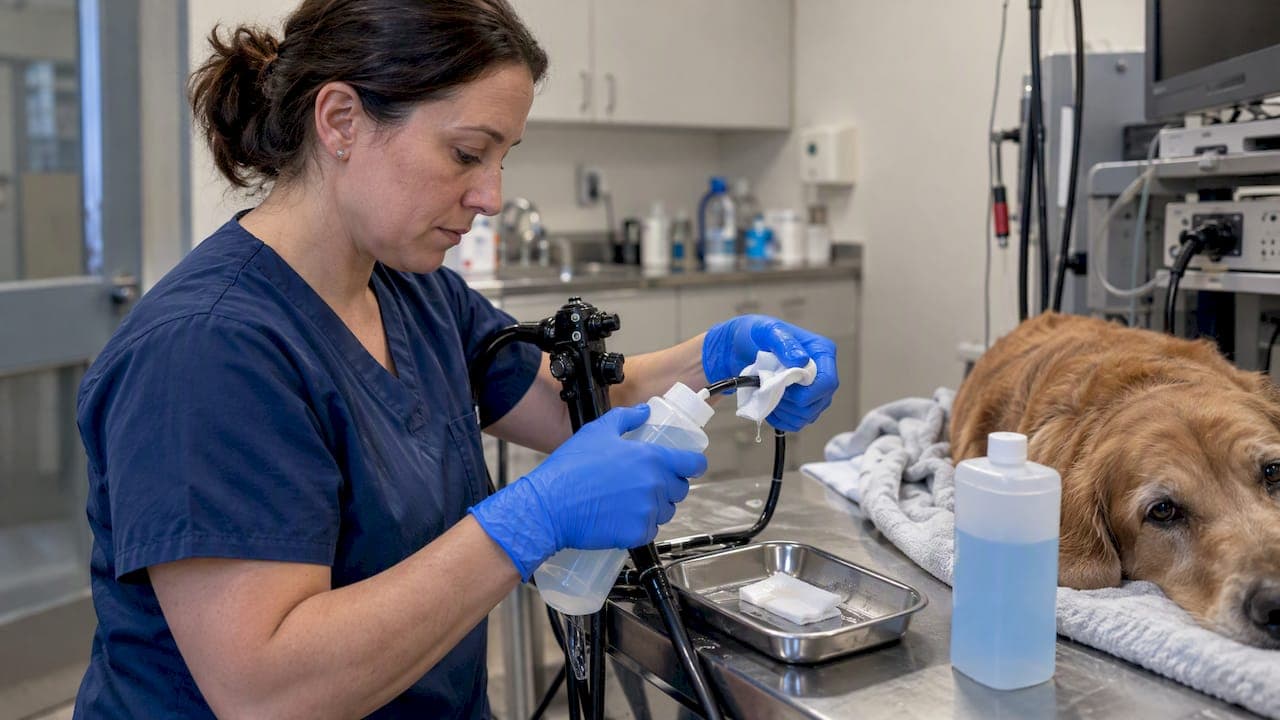
Endoscope Fogging: Saline and Soap Beat Devices for Clinics
Learn how medical and veterinary teams can prevent endoscope fogging with proven saline or soap, scope warming, rapid lens clearing, and better reprocessing.
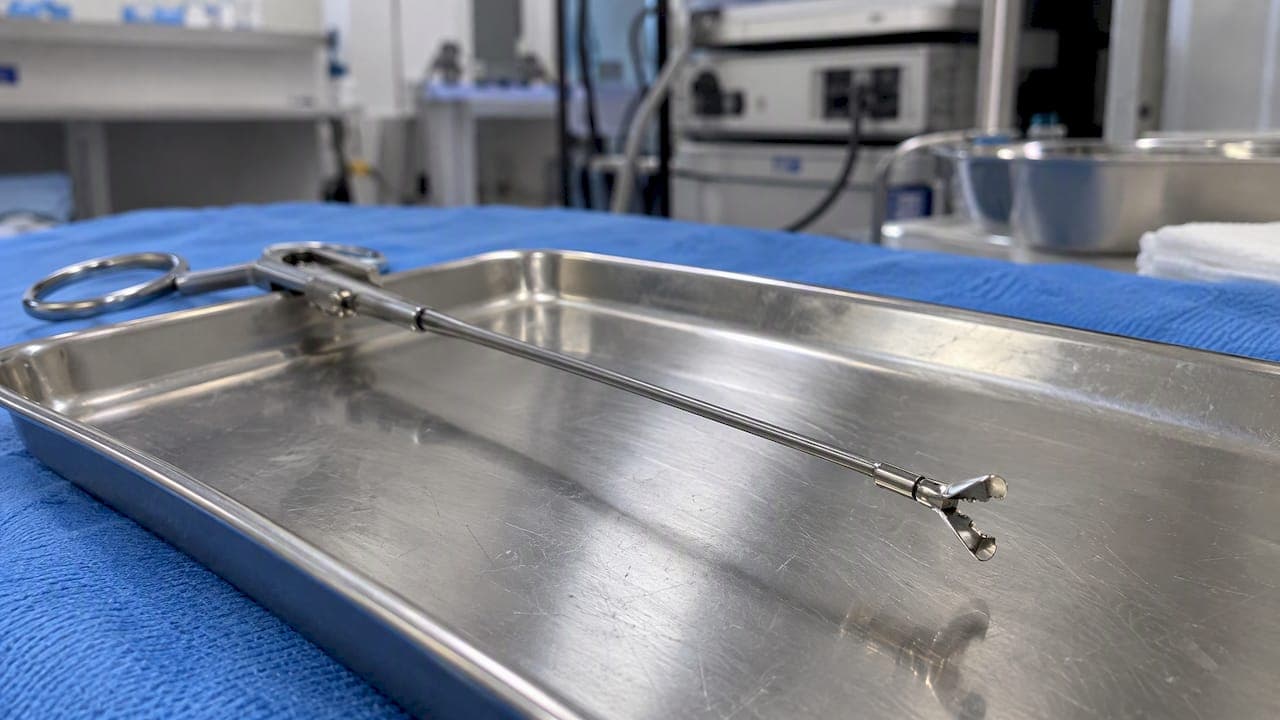
Biopsy Forceps Jaw Types: Why Bigger Cups Can Miss Deeper Tissue
Match biopsy forceps jaws to tissue depth, crush risk, and scope fit. See why larger cups may yield less subepithelial tissue in comparative studies.
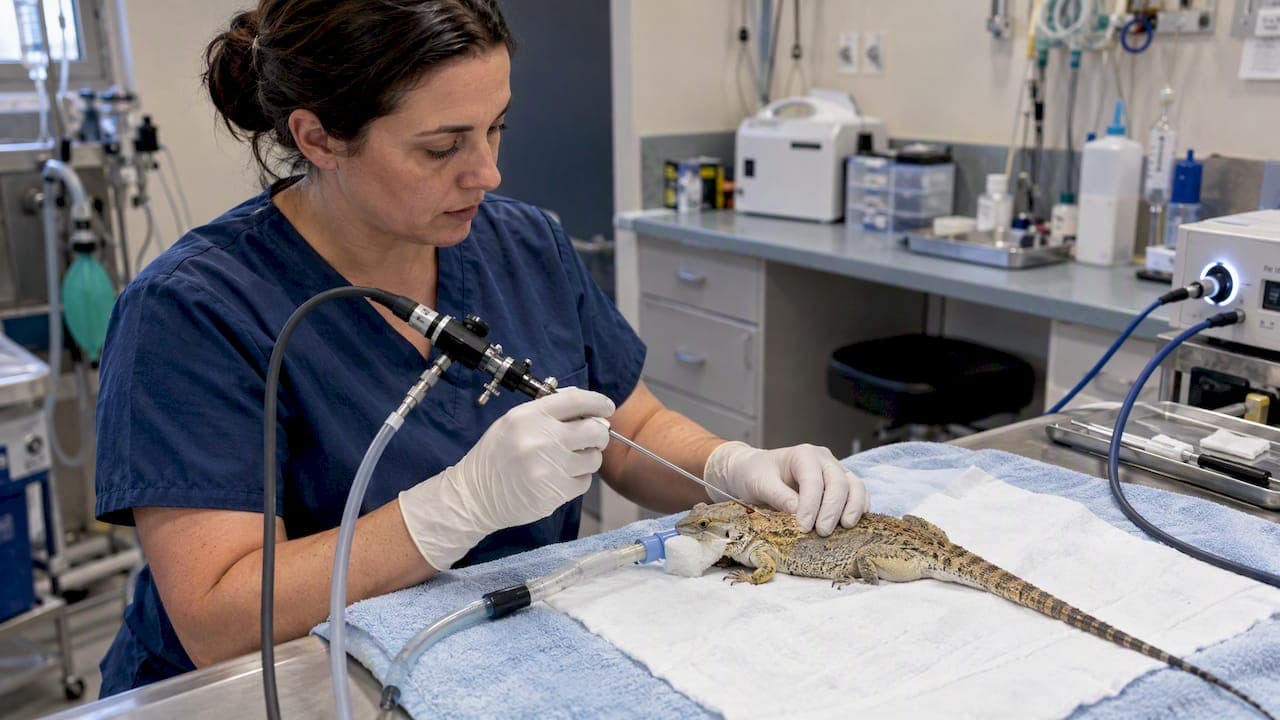
Reptile Endoscopy: Why Vets Start With a 2.7 mm Scope
Choose reptile endoscopy equipment by matching scope diameter to species and procedure. Plan for anesthesia, compliant reprocessing, and practical training.
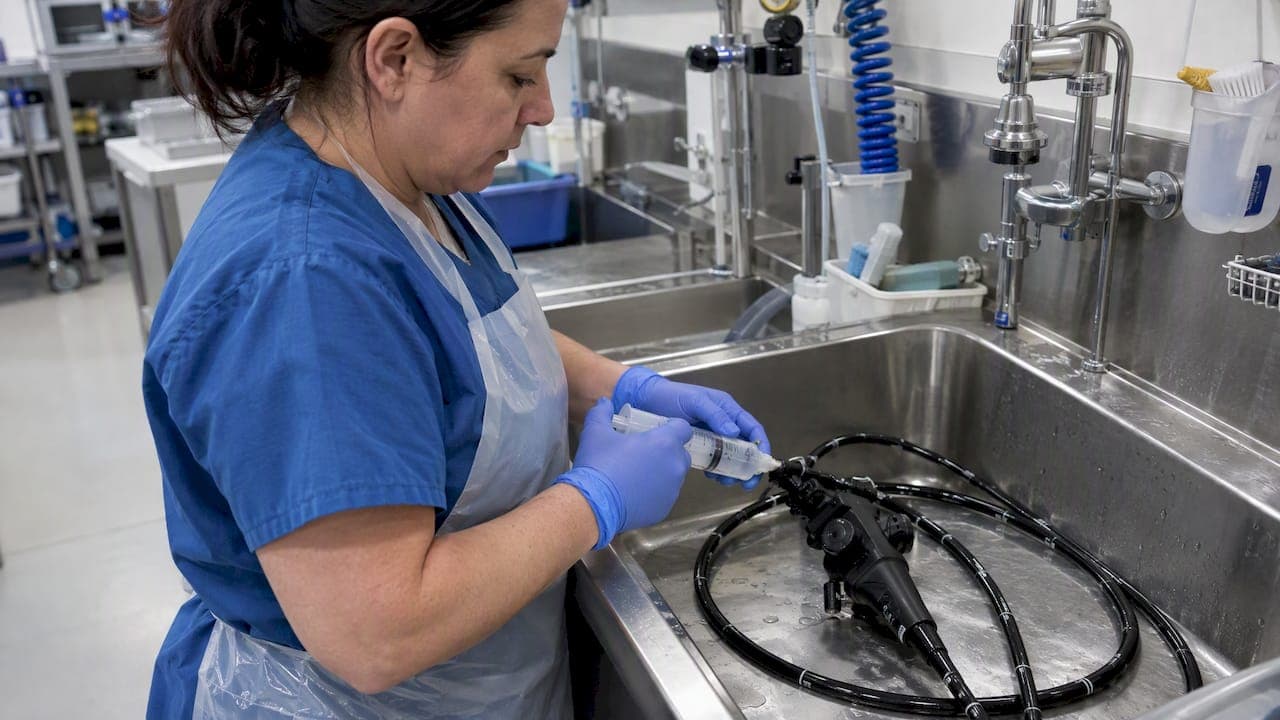
Clogged Endoscope Channels: Flush Safely, Verify, Prevent Recurrence
Technicians can safely flush clogged endoscope channels, check for hidden residue with borescopes and sampling, and prevent repeat blockages before reuse.