
Why accessories define what veterinary scoping can actually do
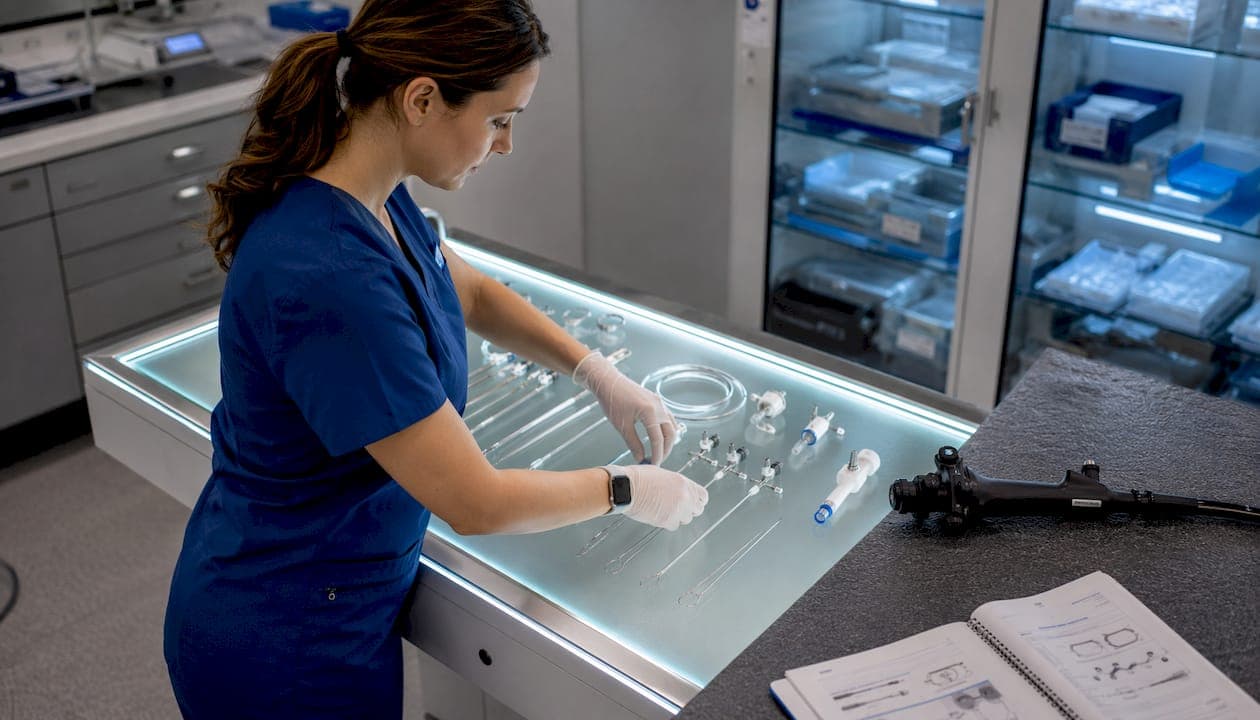
Veterinary endoscopy accessories are not optional add-ons. They are what transform a scope from a viewing device into a clinical tool capable of diagnosis, tissue sampling, and foreign body retrieval. Without the right accessories, even a high-quality endoscope is limited to observation.
The core accessory categories in veterinary scoping include:
- Biopsy forceps: Cup-style jaws that collect mucosal tissue samples for histopathology, the most frequently used diagnostic accessory in GI endoscopy
- Alligator forceps: Serrated, flat jaws designed to grip and extract flat or irregular foreign bodies from the esophagus or stomach
- Tripod forceps: Three-pronged graspers that secure round or smooth objects that alligator jaws cannot hold reliably
- Rat-tooth graspers: Interlocking teeth that anchor firmly into dense or fibrous tissue, useful for retrieving tough foreign material
- Retrieval nets: Basket-style nets that capture multiple small objects or fragmented material in a single pass
- Y-valves and three-way connectors: Fluid control fittings that allow simultaneous suction and irrigation without disconnecting the scope
- Suction and irrigation pumps: Motorized units that clear the visual field by removing debris or delivering fluid on demand
Standard working channels range from 1.2 mm for micro-biopsy applications to over 3.0 mm for therapeutic use, and that range determines which accessories are physically usable in any given procedure. Accessories extend the scope's reach from passive visualization to active intervention, and their selection directly shapes procedural efficiency, patient safety, and clinical success rates.
What categories of veterinary endoscopy accessories should you stock?
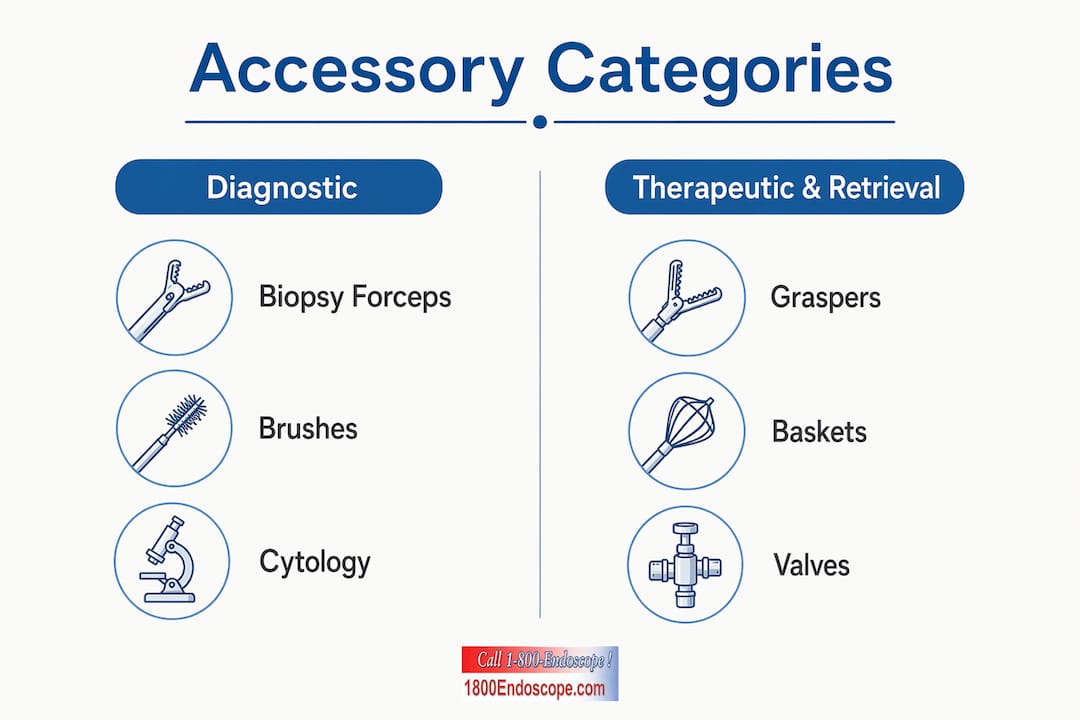
Endoscopic accessories divide into three functional categories: diagnostic, therapeutic and retrieval, and procedural support. Each category addresses a distinct phase of the procedure.
Diagnostic accessories
These tools gather information without altering tissue structure beyond the sample site.
- Biopsy forceps (cup, oval, or spiked jaw styles) for mucosal and submucosal sampling
- Cytology brushes that collect surface cells for cytologic analysis, particularly useful in respiratory and urinary tract cases
- Aspiration needles for fine-needle sampling of submucosal lesions during upper GI endoscopy
Therapeutic and retrieval accessories
Foreign body removal and active tissue intervention fall here. The right tool depends on the object's shape, density, and location.
- Alligator forceps for flat or irregular objects
- Tripod and rat-tooth graspers for round or fibrous material
- Retrieval nets and basket graspers for fragmented or multiple small objects
- Polypectomy snares for removing pedunculated polyps
Procedural support accessories
These keep the procedure running cleanly and safely.
- Y-valves and three-way stopcocks for fluid management without scope disconnection
- Suction and irrigation pumps to maintain a clear visual field
- Light sources matched to the scope's fiber bundle or video chip specifications
- Insufflation attachments for controlled cavity distension
For small animal endoscopy, the diagnostic and retrieval categories see the heaviest use. Large animal work, particularly equine upper airway and gastric procedures, leans more heavily on procedural support tools given the longer working distances involved.
How do you select the right accessories for your endoscope?
Accessory selection starts with one number: the working channel diameter of your endoscope. Everything else follows from that.
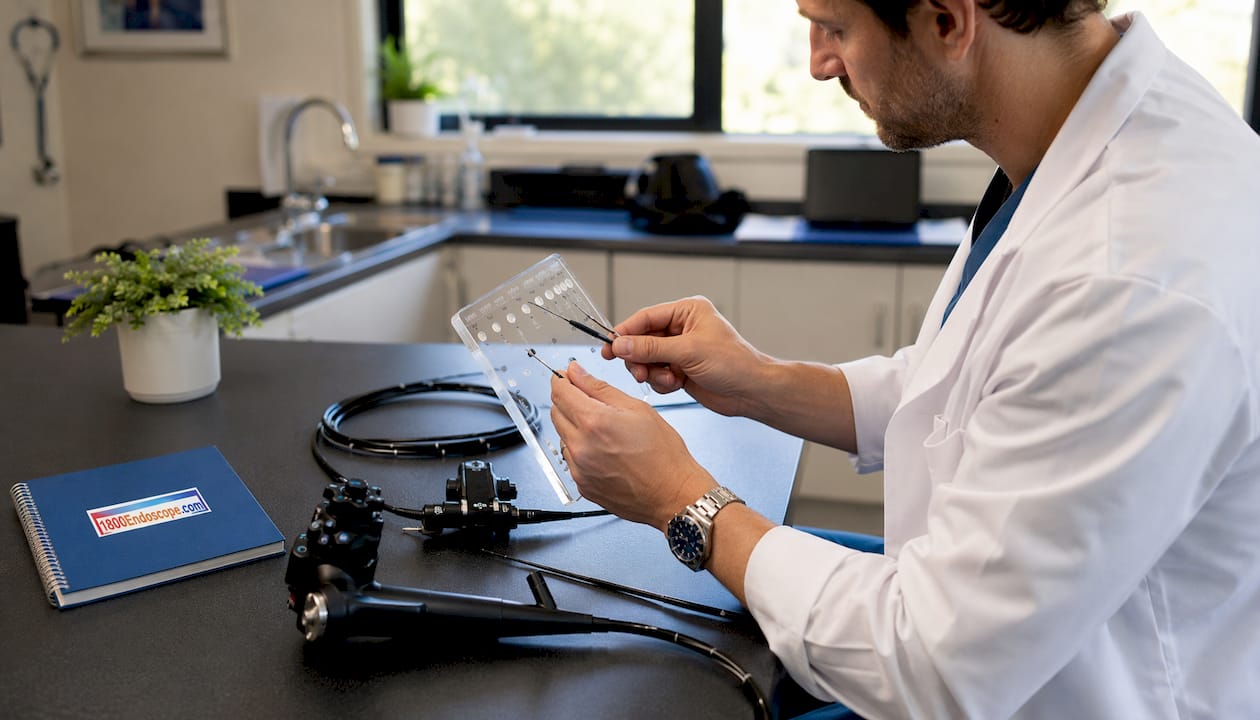
A 2.4 mm working channel is the standard for routine GI biopsy in dogs and cats. Narrower channels suit rhinoscopy, bronchoscopy, and exotic animal cases where the scope itself is smaller. Channels of larger diameter open the door to therapeutic accessories like retrieval nets and larger grasping forceps.
Instrument length matters just as much as diameter. Accessory channel dimensions and instrument lengths must be carefully matched to maintain operator control. An accessory that is too short will not reach the working tip of a long endoscope; one that is too long creates slack that reduces tactile feedback and maneuverability.
Pro Tip: Before purchasing any accessory, confirm both the channel diameter and the usable insertion length of your endoscope. Many accessories list outer diameter but not the stiffness profile, which affects how they behave through a deflected tip.
Key selection considerations:
- Species and anatomy: A 2.8 mm channel scope works for a large dog but is oversized for a ferret or rabbit; match the scope and accessories to the patient population you see most
- Procedure type: Biopsy-only cases need cup forceps; foreign body cases need a mix of graspers and nets stocked before the procedure starts
- Operator experience: Choice among flexible instruments like biopsy cup styles or retrieval nets depends partly on operator familiarity, not just clinical indication
- Deflection angle: Forcing oversized or rigid instruments through a deflected scope tip risks damaging the accessory channel, an expensive repair that is entirely preventable
For guidance on accessory compatibility across different scope models, matching specifications before you buy is far cheaper than repairing a damaged channel afterward.
How to clean, maintain, and store veterinary endoscopy accessories
Accessories fail in two ways: they wear out mechanically, or they become a contamination risk. Both are preventable with consistent protocol.
Cleaning procedure:
- Rinse accessories immediately after use in clean water to prevent biofilm formation
- Use channel brushes sized to match the accessory lumen, not a generic brush that either misses debris or damages the inner surface
- Soak in an enzymatic detergent solution per the manufacturer's contact time recommendation
- Rinse thoroughly, then proceed to high-level disinfection or sterilization appropriate to the accessory material
Proper cleaning and maintenance, including brushes matched to channel sizes and safe storage in dedicated cases, directly extends accessory lifespan and protects patients from cross-contamination. For a detailed protocol, the sterilization guide from 1800endoscope covers reusable accessory handling step by step.
Maintenance inspection checklist:
- Check jaw articulation on forceps: stiff or sticky movement signals debris in the hinge or early metal fatigue
- Inspect retrieval net wires for fraying or deformation after each use
- Examine Y-valve seals for cracking, which allows fluid backflow during procedures
- Verify that suction and irrigation pump tubing is free of kinks and that connectors seat fully
Pro Tip: Dedicate a labeled tray to each accessory type and inspect tools under a bright light before storage, not just before use. Catching a cracked valve seal at the end of the day is far better than discovering it mid-procedure.
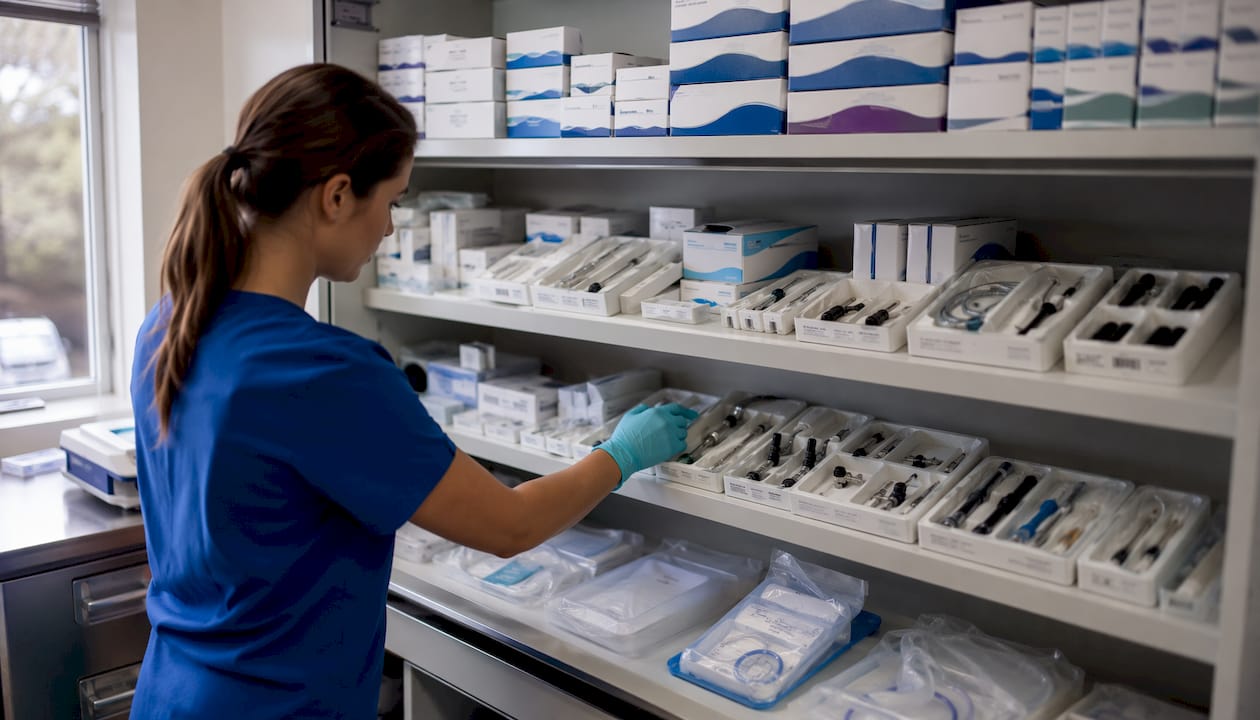
Storage accessories like carrying cases and mobile carts protect tools from physical damage between procedures and signal to clients that your practice takes equipment care seriously. Coiled forceps stored loosely in a drawer develop kinks that compromise jaw alignment over time.
Expert insights on building a clinical accessory library
The most experienced veterinary endoscopists treat their accessory inventory as a living collection, not a one-time purchase. The principle is straightforward: build around your most frequent case types first, then expand as your skill set and caseload grow.
A mixed-practice clinic seeing dogs, cats, and the occasional rabbit needs a different accessory library than a referral center handling exotic species and large animals. The equipment and instrumentation literature consistently supports this case-mix-driven approach over stocking every available accessory type.
One area where accessory choice has a measurable safety impact is insufflation. CO2 insufflation in rigid endoscopy is safer than ambient air, reducing the risk of air embolism and improving patient outcomes in laparoscopy and cystoscopy. Clinics performing rigid endoscopic procedures should treat a CO2 insufflator as a clinical necessity rather than an upgrade.
Infrastructure accessories also shape the quality of every procedure. A reliable light source matched to your scope's specifications, a suction pump with adequate flow rate for the species you treat, and Y-valves that hold their seals under pressure are not glamorous purchases. They are the ones that prevent a procedure from stalling at a critical moment. For practices working with small diameter endoscopes, accessory selection becomes even more constrained, and precision in matching tools to channel specs matters more, not less.
Professional standards in accessory use also affect client confidence. When a client sees organized, well-maintained equipment and a clinician who selects tools deliberately, it reinforces trust in the practice's competence. That perception is built accessory by accessory, procedure by procedure.
1800endoscope stocks veterinary endoscopy equipment including biopsy forceps, valves, pumps, and compatible accessories for small and large animal procedures. The rigid endoscopy catalog covers laparoscopy and cystoscopy systems with CO2 insufflation compatibility, and the portable videoscope line includes options sized for airway and GI work across species. If you know your working channel diameter and procedure mix, the team at 1800endoscope can help you identify the accessories that fit your scope and your caseload.
Key Takeaways
The right accessories determine whether a veterinary endoscope delivers a diagnosis or just a view, making accessory selection as clinically important as the scope itself.
| Point | Details |
|---|---|
| Working channel drives selection | Standard channels run 1.2 mm to over 3.0 mm; match every accessory to your scope's exact diameter. |
| Three functional categories | Diagnostic, therapeutic/retrieval, and procedural support tools each address a distinct phase of the procedure. |
| Forced instruments cause damage | Inserting oversized or rigid accessories through a deflected tip risks costly accessory channel repairs. |
| Cleaning protocol protects patients | Use brushes matched to channel size, enzymatic detergent, and dedicated storage cases to prevent contamination and extend accessory life. |
| Build your library around your caseload | Personalize your accessory inventory to your most frequent procedures and expand as clinical experience grows. |