
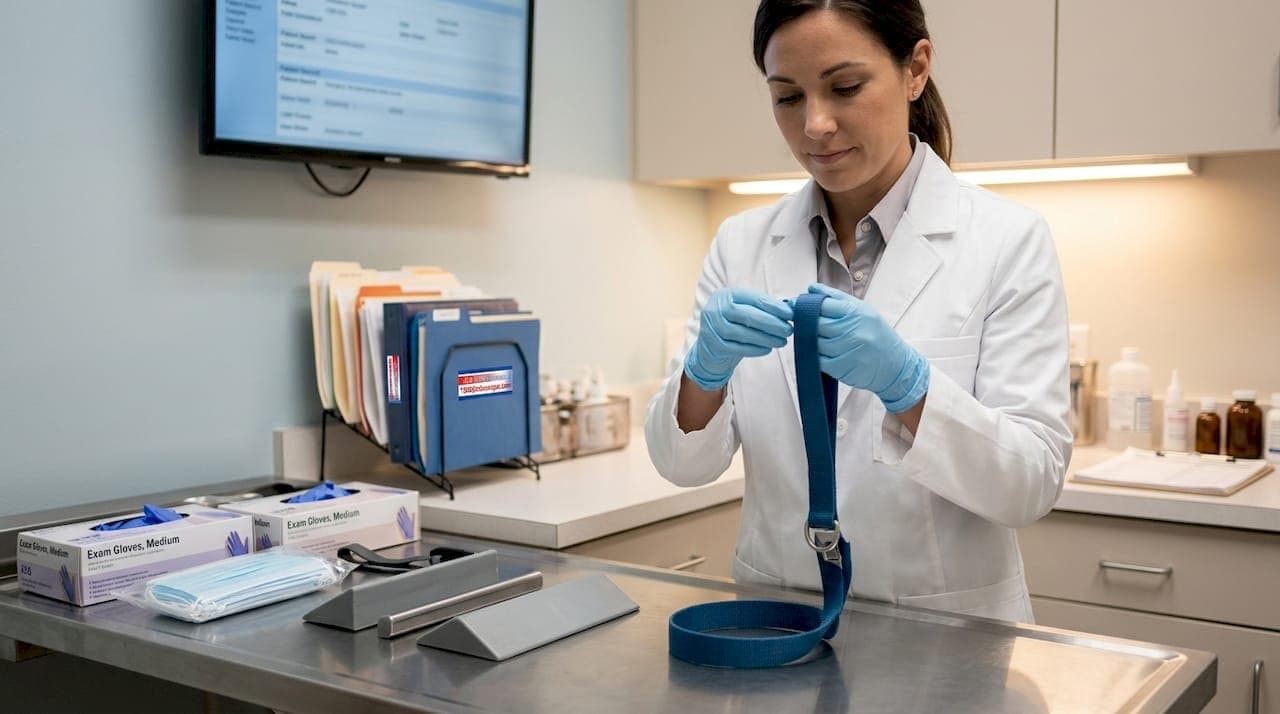
Veterinary accessories are the specialized supportive tools and add-on items used alongside core equipment to facilitate exams, procedures, diagnostics, and infection control in animal care settings. The term covers a broad spectrum of products, from disposable gloves and positioning aids to sterilization trays and endoscope valves. While the phrase "veterinary accessories" is common in procurement and e-commerce contexts, the recognized industry category is veterinary supplies and equipment accessories, a classification that separates these items from primary instruments. Understanding this distinction matters because accessories account for over 57% of revenue in the veterinary equipment market as of 2024. That figure tells you something direct: accessories are not optional add-ons. They are the operational backbone of a functioning clinic.
What are veterinary accessories and how are they categorized?
Veterinary accessories are defined as supportive items that complement primary instruments, enabling those instruments to function correctly, safely, and hygienically. The common veterinary supplies categories include gowns, gloves, scalpels, needles, syringes, and face masks used during procedures and patient exams. These items do not perform diagnosis or treatment independently. They create the conditions under which core equipment can do its job accurately and safely.
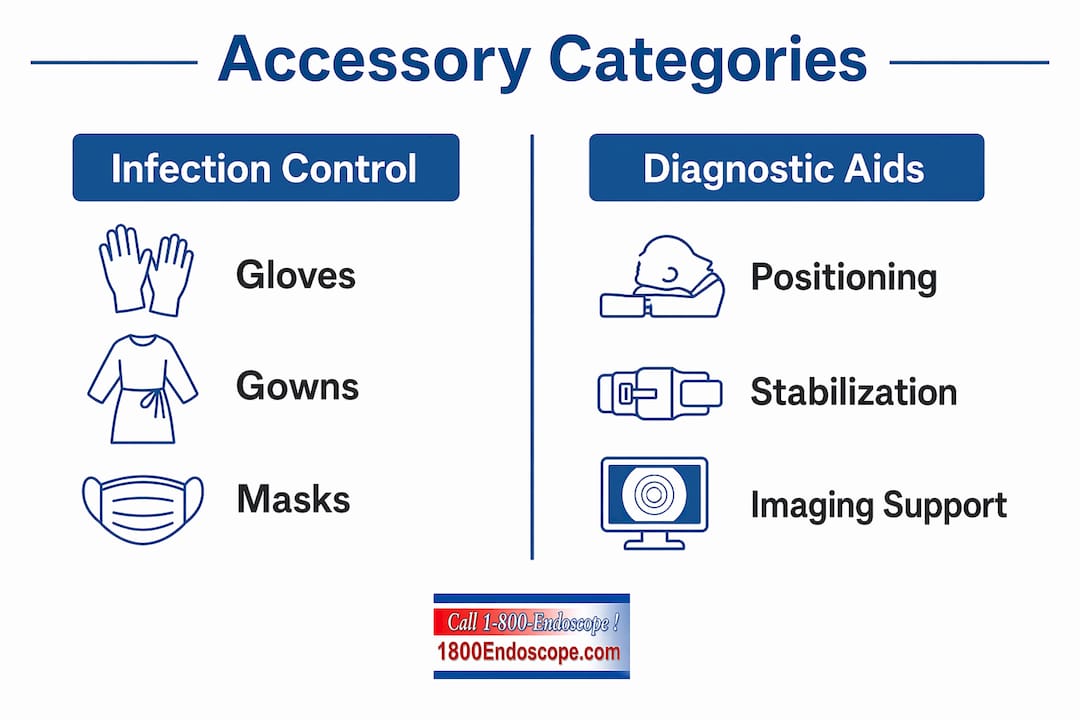
Clinically, accessories fall into four primary categories:
- Personal protective equipment (PPE): Disposable gloves, surgical gowns, N95 and procedure masks, face shields, and dedicated footwear. These protect both staff and patients from cross-contamination during exams and procedures.
- Diagnostic support accessories: Positioning aids, foam wedges, imaging markers, and restraint devices that stabilize patients during radiography, ultrasound, or endoscopy. Without these, image quality degrades and repeat exposures increase.
- Surgical and sterilization accessories: Instrument trays, autoclave pouches, sterilization indicators, draping materials, and suction tips. Cutting, grasping, retracting, and suturing instruments all require complementary accessory support to maintain a complete and sterile surgical tray.
- Patient handling devices: Muzzles, Elizabethan collars, restraint gloves, recovery blankets, and padded table covers. These reduce animal stress and protect staff during physical examinations.
The table below compares these four categories by primary function and replacement frequency, two criteria that directly affect procurement planning.
| Category | Primary function | Replacement frequency |
|---|---|---|
| PPE (gloves, gowns, masks) | Infection barrier and staff protection | Per procedure or per patient |
| Diagnostic support accessories | Patient stabilization and image quality | Months to years, condition-dependent |
| Surgical and sterilization accessories | Sterile field maintenance | Mixed: trays reused, pouches single-use |
| Patient handling devices | Safe restraint and recovery | Months to years, material-dependent |
This categorization is not just academic. Clinics that bundle all accessories into a single procurement line often overstock disposables while underinvesting in durable positioning and handling equipment. Separating the categories at the inventory level prevents that imbalance.
How do veterinary accessories improve diagnostic accuracy and workflow efficiency?
Diagnostic accuracy in veterinary practice depends heavily on patient positioning and image stability, two outcomes that accessories directly control. Radiography accessories reduce repeat exposures and artifacts by holding patients in the correct anatomical position throughout the imaging sequence. Fewer repeat exposures mean lower cumulative radiation doses for staff and animals, and faster throughput per appointment slot.
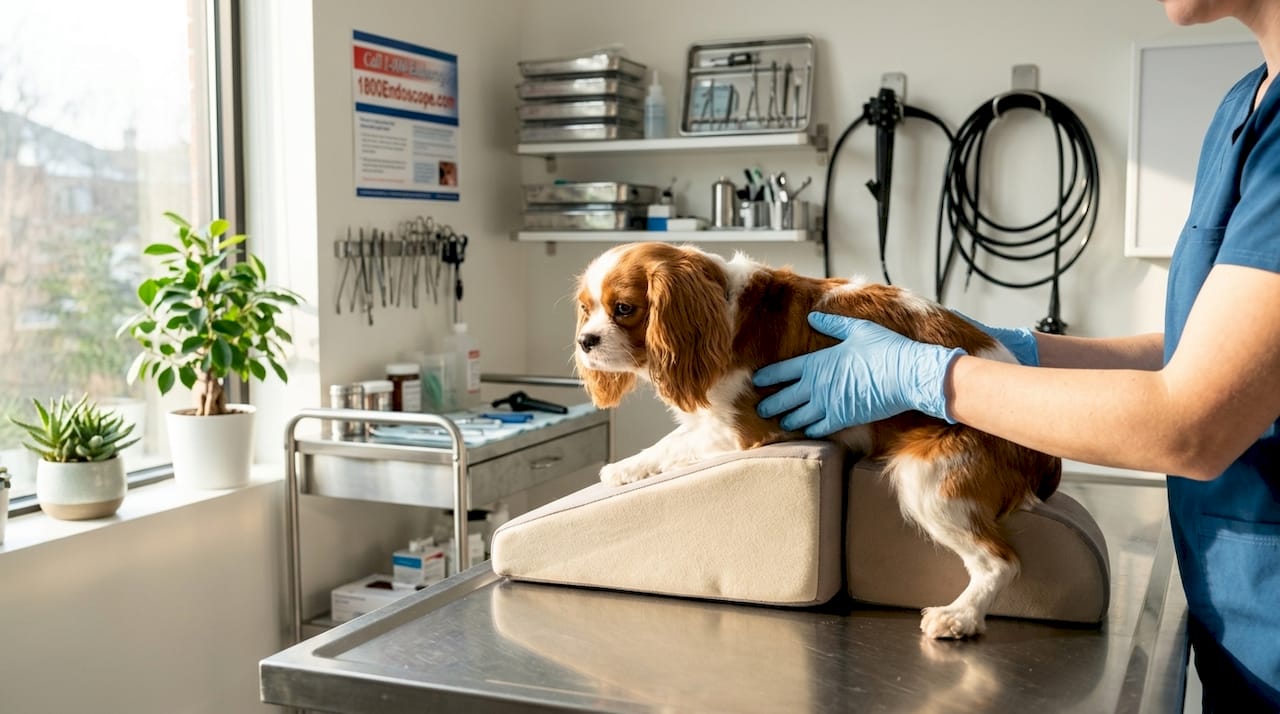
Positioning aids also matter in endoscopy. A patient that shifts during a flexible endoscope procedure forces the operator to compensate with scope movement, which increases procedural time and the risk of mucosal trauma. Foam positioning wedges, vacuum positioning bags, and padded cradles each address this problem for different body sizes and procedure types. Clinics performing airway or gastrointestinal endoscopy on small animals benefit most from species-specific positioning kits rather than generic human-medicine adaptations.
Infection control accessories contribute to workflow efficiency in a less obvious way. When gloves, masks, and gowns are stocked at the point of use rather than in a central supply room, staff compliance with PPE protocols increases and the time between patients decreases. Dedicated isolation wards with separate ventilation and barrier protections are part of accessory systems that control infection at the facility design level, not just the individual procedure level.
Pro Tip: Stock PPE dispensers at every exam room entrance rather than at a central supply station. This single change typically cuts PPE retrieval time per patient and removes the behavioral friction that leads to skipped glove changes between exams.
Ergonomic accessory design also reduces physical strain during repetitive procedures. Padded table mats, adjustable restraint loops, and lightweight instrument trays all reduce cumulative musculoskeletal load on veterinary technicians. This is a workflow efficiency argument as much as a health argument: staff who experience less physical fatigue make fewer procedural errors during high-volume clinic days.
What criteria should guide veterinary accessory selection and procurement?
Selecting the right accessories for a veterinary practice requires more than matching items to a standard veterinary supplies list. Four criteria consistently separate high-performing procurement decisions from reactive ones.
-
Material resistance to disinfectants. Many accessories fail prematurely because they are incompatible with the quaternary ammonium compounds, accelerated hydrogen peroxide solutions, or bleach-based disinfectants used in veterinary settings. Before purchasing any reusable accessory, verify chemical compatibility with your clinic's disinfection protocol. Silicone and stainless steel generally outperform ABS plastic in high-disinfection environments.
-
Procedure-specific fit. Accessories should be selected to match the procedures your clinic performs most frequently. A mixed-practice clinic treating both small animals and equine patients needs a different positioning and handling accessory set than a feline-only practice. Surgical accessory selection aligns with procedure function categories, affecting instrument tray completeness and support item stock levels.
-
Differentiation between accessories and consumables. Separating accessories from consumables aids inventory management and budgeting because the two categories have fundamentally different maintenance and replenishment cycles. Accessories require periodic calibration or inspection; consumables require frequent reordering. Mixing them in a single budget line obscures true cost-per-procedure calculations.
-
Compliance with infection control and safety standards. Accessories used in sterile fields must meet AAMI or ISO sterilization standards. PPE must meet ASTM or NIOSH ratings appropriate for the exposure risk. Reviewing OSHA Safety Data Sheet standards for all chemical-adjacent accessories, including disinfectant-soaked wipes and enzymatic cleaners, is a compliance requirement, not a recommendation.
Pro Tip: Build a two-tier accessory checklist for your practice: one tier for daily consumable restocking and one tier for quarterly durable accessory inspection. This prevents the common scenario where a positioning wedge or restraint strap fails mid-procedure because no one tracked its condition.
Vendor selection also matters. Clinics that purchase equipment combined with accessories as a functional package report better diagnostic, surgical, and monitoring workflow outcomes than those that source accessories piecemeal from unrelated suppliers. Compatibility between primary equipment and its accessories is not guaranteed across brands.
How do veterinary accessories contribute to health and safety in practice?
Health and safety in veterinary practice depends on a layered accessory system that addresses three distinct risk categories: zoonotic disease transmission, chemical hazard exposure, and physical injury during animal handling.
Proper PPE use and isolation accessories are the primary defense against zoonotic disease transmission. Gloves, masks, gowns, and face shields create a physical barrier between staff and potentially infected animals. The critical detail most clinics underestimate is that PPE effectiveness depends on donning and doffing sequence, not just availability. An improperly removed glove transfers contamination as effectively as no glove at all.
Key safety accessories every veterinary practice should maintain include:
- Nitrile examination gloves in multiple sizes, stocked at every workstation
- Fluid-resistant surgical gowns for procedures with splash risk
- N95 respirators for aerosol-generating procedures or suspected respiratory pathogens
- Face shields for dental, endoscopic, and surgical procedures
- Dedicated scrub sets or gowns for isolation ward entry and exit
"Infection control accessory systems are integral to veterinary hospital design, incorporating disposable PPE and physical barriers to minimize cross-contamination." AkoVet Hospital Infection Control
Chemical hazard control is the most frequently overlooked safety dimension of veterinary accessories. Safety Data Sheet documentation is a critical accessory for managing chemical and disinfectant hazard compliance. Every disinfectant, enzymatic cleaner, and chemical sterilant used in a clinic requires an accessible SDS binder or digital equivalent. OSHA mandates this, and clinic inspections increasingly flag SDS gaps as primary violations.
Ergonomic accessories address the third risk category. Restraint loops with padded handles, hydraulic lift tables, and anti-fatigue mats reduce the cumulative physical load on veterinary technicians who perform dozens of animal lifts and restraints per shift. The Lab4Paws veterinary equipment catalog includes ergonomic handling accessories designed specifically for clinical environments where staff injury from animal handling is a documented occupational risk.
Key takeaways
Veterinary accessories are the functional infrastructure of clinical practice, and selecting them with the same rigor applied to primary instruments directly determines diagnostic accuracy, infection control outcomes, and staff safety.
| Point | Details |
|---|---|
| Accessories drive market revenue | Accessories account for over 57% of veterinary equipment market revenue, confirming their central operational role. |
| Four core categories exist | PPE, diagnostic support, surgical/sterilization, and patient handling accessories each serve distinct clinical functions. |
| Separate accessories from consumables | Treating accessories and consumables as distinct inventory categories improves budgeting accuracy and prevents procurement gaps. |
| Positioning aids improve diagnostics | Radiography and endoscopy positioning accessories reduce repeat exposures and procedural errors by stabilizing patients. |
| SDS compliance is non-negotiable | OSHA-mandated Safety Data Sheet documentation for all chemical accessories is a legal requirement and a staff safety tool. |
What I've learned about accessory management that most clinics overlook
After working closely with veterinary clinics across small animal, equine, and mixed-practice settings, the pattern I see most consistently is this: practices invest carefully in primary equipment and then treat accessories as an afterthought. The result is a $40,000 endoscope system paired with a $12 positioning wedge that shifts during every procedure.
The accessories that deliver the most clinical return are rarely the most expensive. A well-designed foam positioning kit for small animal radiography costs less than a single repeat-exposure series and pays for itself within weeks. The same logic applies to light source selection for endoscopy: the wrong light source degrades image quality regardless of the scope's optical specifications.
The procurement mistake I see most often is treating the veterinarian tools checklist as a one-time setup task rather than a living document. Accessories wear out, disinfection protocols change, and new procedure types require new support items. Clinics that review their accessory inventory quarterly catch compatibility failures and stock gaps before they affect patient care. Clinics that review it annually find out during a procedure.
Staff training on accessory use is the other gap. A restraint strap used incorrectly causes more animal stress than no restraint at all. An autoclave pouch loaded beyond capacity fails sterilization. These are not equipment failures. They are accessory management failures, and they are preventable with structured onboarding and periodic competency checks.
— Endoscope
Upgrade your diagnostic capability with specialized endoscopy accessories
The right endoscopy accessories transform a good diagnostic system into a precise clinical tool. At 1800endoscope, the portable veterinary endoscopy system is built for small animal airway and gastrointestinal procedures, with a 6mm insertion tube, direct monitor display, and SD card video recording. It ships as a functional package that includes the accessories your team needs from day one. For practices expanding their diagnostic range, the veterinary rigid endoscopy catalog covers rigid scopes and complementary accessories for equine and large animal applications. 1800endoscope focuses on cost-effective, clinic-ready systems so you spend less time sourcing compatible accessories and more time using them.
FAQ
What are veterinary accessories exactly?
Veterinary accessories are supportive tools and add-on items used alongside primary veterinary instruments to enable exams, procedures, diagnostics, and infection control. They include PPE, positioning aids, sterilization supplies, and patient handling devices.
How do veterinary accessories differ from veterinary consumables?
Accessories are durable or semi-durable items that require periodic maintenance or inspection, such as positioning wedges or instrument trays. Consumables are single-use items requiring frequent reordering, such as gloves, syringes, and autoclave pouches.
What PPE accessories are required in a veterinary clinic?
Standard PPE accessories include nitrile gloves, fluid-resistant gowns, procedure masks or N95 respirators, and face shields. The specific items required depend on the procedure type and the infection risk level of the patient being treated.
Why does accessory selection affect diagnostic accuracy?
Positioning and stabilization accessories directly control patient movement during imaging and endoscopy. Inadequate positioning leads to motion artifacts, repeat exposures, and longer procedure times, all of which reduce diagnostic quality and increase staff radiation exposure.
How often should veterinary accessory inventory be reviewed?
A quarterly review cycle is the standard recommendation for durable accessories, covering condition, compatibility with current disinfection protocols, and procedure-specific completeness. Consumable stock levels should be tracked continuously through an inventory management system.