
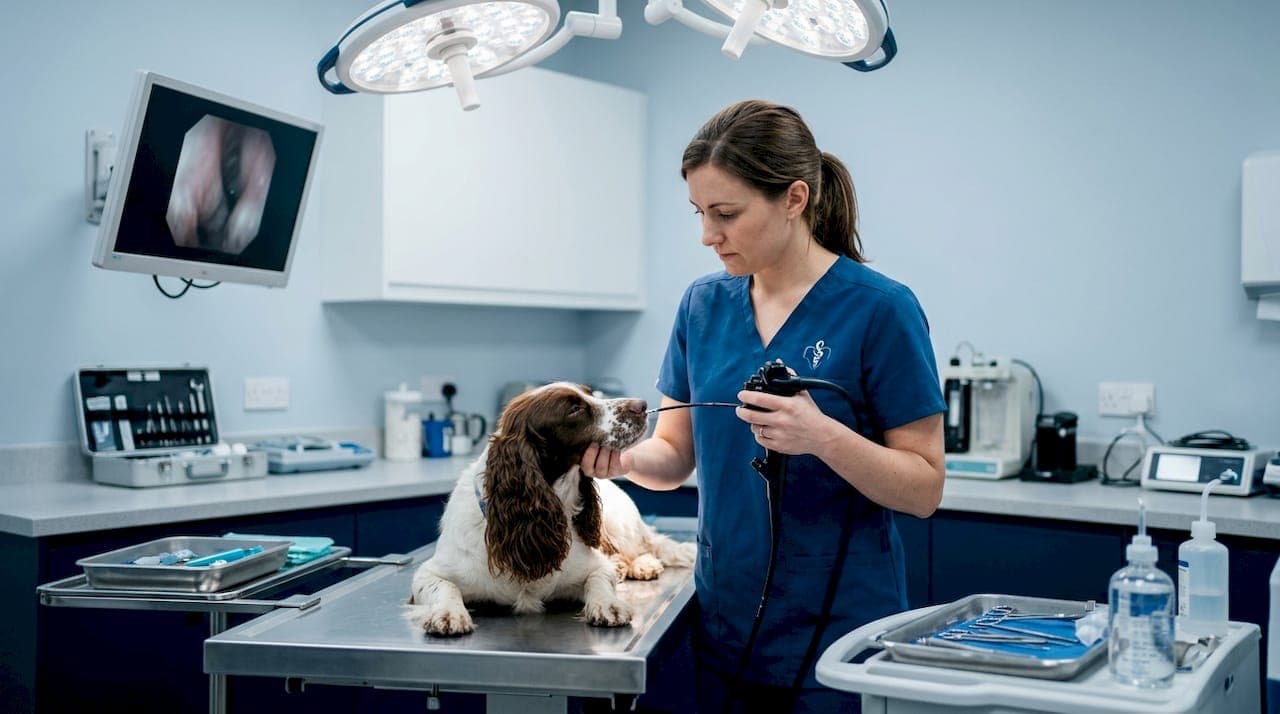
Small diameter endoscopes are one of the most underestimated tools in veterinary medicine. Most clinicians assume that a narrower scope means reduced capability, but the opposite is often true. These instruments open anatomical doors that larger scopes simply cannot reach, enabling diagnostics in patients where alternatives don't exist. Whether you're inspecting a cat's trachea, evaluating a rabbit's nasal cavity, or scoping a small breed dog's bronchi, the right small diameter endoscope isn't a compromise. It's the only tool for the job.
Table of Contents
- What is a small diameter endoscope?
- Key veterinary applications for small diameter endoscopes
- How diameter affects working channels and procedural options
- Selecting the right small diameter endoscope for veterinary practice
- Why small diameter endoscopes are redefining veterinary practice
- Explore advanced veterinary endoscope solutions
- Frequently asked questions
Key Takeaways
| Point | Details |
|---|---|
| Defines small diameter | Endoscopes with an outer diameter of 2.7–6 mm allow access to narrow animal anatomical regions. |
| Enables unique diagnostics | Small diameter scopes are essential for respiratory, GI, and otic examination in veterinary patients. |
| Shapes procedural options | Diameter selection determines working channel size and compatible instruments. |
| Matches procedural goals | Veterinarians choose diameter based on species, diagnostic or interventional needs, and workflow. |
| Transforms practice | Small diameter endoscopes are driving minimally invasive advancements in animal health. |
What is a small diameter endoscope?
A small diameter endoscope is generally defined as any endoscope with an outer diameter (OD) at or below 3 mm, though veterinary practice commonly extends this category up to 6 mm for flexible scopes used in larger small animal patients. The most frequently used sizes in clinical settings are 2.7 mm, 3 mm, and 6 mm, each suited for different anatomical targets and species.
The physical dimensions aren't just a number on a spec sheet. A narrower shaft changes how the scope navigates tissue, what it can access, and what you can do once you get there. Rigid scopes are 2.7 mm outer diameter and pediatric or fiberoptic options exist specifically to reach narrow passages that would otherwise require surgery to visualize. This is a critical clinical point.
Here is a quick comparison of common veterinary endoscope diameters and their typical applications:
| Diameter | Scope type | Typical use case |
|---|---|---|
| 2.7 mm | Rigid | Nasal cavity, trachea (cats, small dogs) |
| 3.0 mm | Rigid or flexible | Bronchi, ear canal, pediatric airways |
| 5.0 mm | Flexible | Upper GI in medium dogs, esophagus |
| 6.0 mm | Flexible | Lower airways, GI tract in larger dogs |
| 8.0+ mm | Flexible | Large breed GI, equine stomach |
The key trade-off is this: as diameter decreases, the internal working channel (the tube through which you pass instruments) also shrinks. A 2.7 mm rigid scope typically has no working channel at all or an extremely narrow one, making it primarily a visual tool. A 6 mm flexible scope may offer a 2 mm working channel, which accommodates small biopsy forceps and cytology brushes.
Key physical implications of small diameter scopes include:
- Access to narrow anatomical structures without sedation-level dilation
- Reduced patient trauma and faster post-procedure recovery
- Lower risk of iatrogenic injury (unintended tissue damage caused by the instrument)
- Limited instrument compatibility due to reduced channel diameter
- Potential for reduced image resolution in older fiberoptic models compared to modern HD videoscopes
Our rigid endoscope catalog covers the full range of 2.7 mm and 3 mm rigid scopes used in small animal practice, and the portable airway inspection endoscope is a strong example of how small diameter flexible scopes have evolved for field use.
With the basics covered, let's examine the specific ways small diameter endoscopes are utilized in veterinary settings.
Key veterinary applications for small diameter endoscopes
Small diameter endoscopes are genuinely multipurpose. They serve four primary clinical functions, each with distinct technical requirements and patient populations.
-
Respiratory tract inspection. This is arguably the highest-value application. Small diameter endoscopes allow entry through narrow passages required for respiratory endoscopy in small animals. A 2.7 mm rigid scope allows you to visualize the nasal passages of a cat without forcing the tissues. A flexible 3 mm scope can navigate the trachea and primary bronchi of small breed dogs, revealing mucosal changes, foreign bodies, collapse, or masses that chest radiographs miss entirely.
-
Gastrointestinal diagnostics. Esophageal and gastric scoping in cats and small dogs requires a flexible scope in the 5 to 6 mm range. You're looking for erosions, polyps, foreign material, motility abnormalities, and mucosal inflammation. Biopsies retrieved through the working channel provide histopathologic data no other modality can match with the same efficiency.
-
Ear and nasal cavity exploration. Otoscopy and rhinoscopy with a small rigid or flexible scope changes what you see compared to a standard otoscope. Chronic otitis, nasal polyps, foreign bodies, and even early neoplastic changes become visible and documentable on video, which improves client communication and case management significantly.
-
Biopsy and minimally invasive therapy. Even a 2 mm working channel enables cytology brushing, lavage for culture, and small-cup biopsy forceps. These targeted samples outperform blind swabbing in diagnostic accuracy and reduce the need for open surgical biopsy in many cases.
| Application | Recommended diameter | Scope type | Instrument use |
|---|---|---|---|
| Nasal cavity (cat) | 2.7 mm | Rigid | Visual only |
| Trachea/bronchi (small dog) | 3.0 mm | Rigid or flexible | Limited biopsy |
| Upper GI (medium dog) | 5.0–6.0 mm | Flexible | Biopsy, cytology |
| Ear canal | 2.7–3.0 mm | Rigid | Visual only |
| Lower GI (large dog) | 8.0–10 mm | Flexible | Biopsy, polyp removal |
Pro Tip: When performing respiratory scoping in brachycephalic (short-nosed) breeds like English Bulldogs or Persian cats, always have a smaller backup scope available. The anatomy can be more compressed than imaging suggests, and forcing a scope that's even 0.5 mm too large risks airway trauma.
For field work and mobile veterinary practices, the equine field scope shows how portable USB-connected systems are increasingly viable for on-site respiratory and airway inspection. The full range of veterinary endoscope systems provides options across all four application categories. Supporting overall respiratory health in your patients, including understanding how canine wellness products intersect with endoscopic findings, rounds out a holistic clinical approach.
After understanding where these scopes excel, it's essential to learn how veterinarians choose the right model for their target procedures.
How diameter affects working channels and procedural options
The working channel is the real limiting factor in small diameter endoscopy. It determines what instruments you can physically pass through the scope, and therefore what procedures you can complete once you're inside the patient.
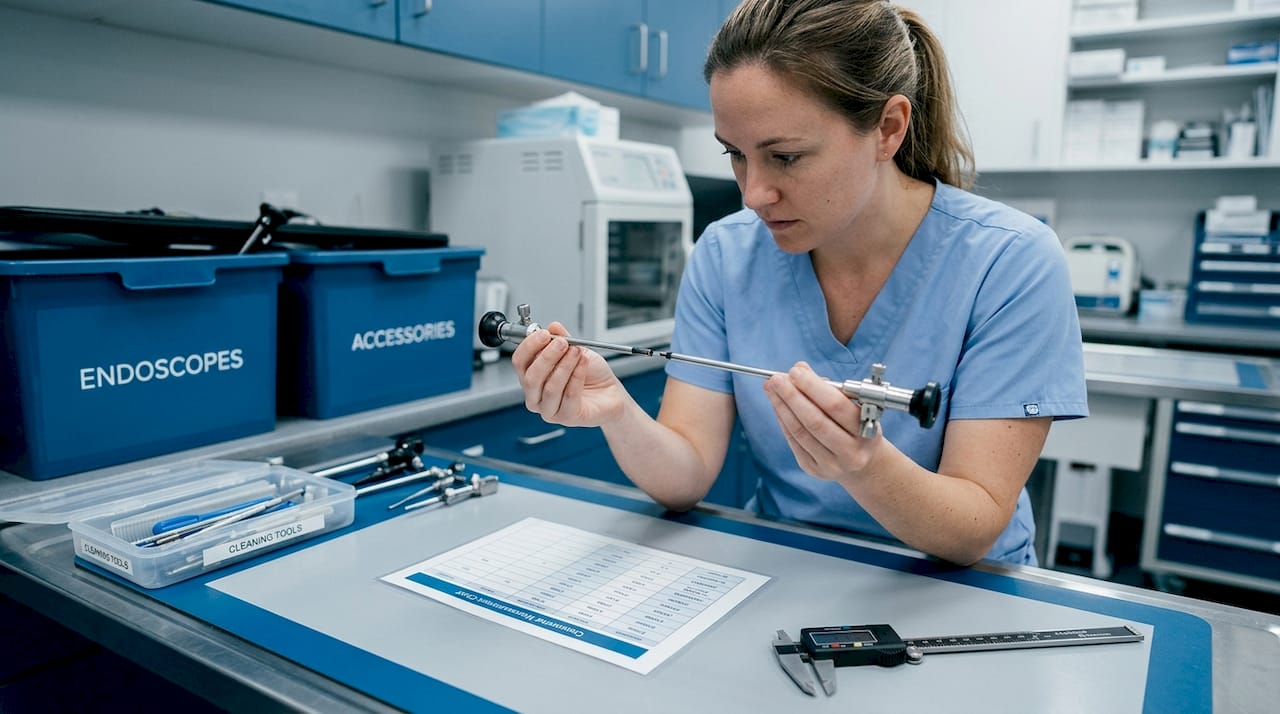
Selecting a smaller diameter often changes the achievable working channel and therefore the range of interventional tools you can pass. This isn't a minor footnote. It's the central decision point in scope selection for interventional procedures.
Here's how the relationship plays out in practice:
- A 2.7 mm scope with no working channel = visual diagnosis only, no instrument passage
- A 3.8 mm scope with a 1.2 mm channel = cytology brush, irrigation catheter, but no biopsy forceps
- A 5.0 mm scope with a 2.0 mm channel = small cup biopsy forceps, cytology brush, and flexible injection needle
- A 7.8 mm scope with a 2.8 mm channel = standard biopsy forceps, polyp snares, retrieval baskets
- A 9.8 mm scope with a 3.7 mm channel = full interventional capability including hemostatic clips
"The diameter you choose isn't just about fitting inside the patient. It's about what you can accomplish once you're there. Picking a scope without matching it to your procedural goal is like choosing a surgical table based on its color."
The clinical implication is straightforward: if your primary goal is visual assessment and sample collection for culture or cytology, a small diameter scope is ideal and reduces patient risk. If you need to retrieve a foreign body, perform thermal coagulation, or remove a polyp, a larger diameter scope with a full working channel is required regardless of patient size constraints.
Small diameter scopes are best suited for:
- Confirming or ruling out structural abnormalities visually
- Collecting lavage samples for culture and sensitivity testing
- Mapping lesion distribution prior to surgical planning
- Monitoring treatment response over time with minimal invasiveness
They are not ideal for:
- Complex foreign body retrieval in tight spaces
- Polypectomy or resection procedures
- Passing multiple instruments simultaneously
- High-volume irrigation and suction in debris-laden cavities
For practices building out their endoscopy capabilities from scratch, browsing veterinary endoscopy equipment and considering pre-owned endoscopy systems can help balance clinical capability with realistic budget constraints. Managing the clinical environment around procedures, including understanding pet dander and air quality in procedure rooms, contributes to better outcomes for both staff and patients.
With these practical consequences in mind, veterinarians can make more informed equipment choices for their clinical needs.
Selecting the right small diameter endoscope for veterinary practice
Small diameter scopes are paired with specific procedural goals in veterinary equipment selection. That pairing requires a structured decision process rather than defaulting to whatever scope a sales rep recommends or whatever used unit is available.
Here are the five factors that should drive your selection:
-
Animal species and anatomy. Cats require different scope geometry than ferrets, even though both are small patients. Rabbits have extremely narrow nasal passages requiring the smallest rigid options. Large breed dogs can tolerate 8 to 10 mm flexible scopes for GI work. Map your typical caseload first, then match scope specifications to the most common patient anatomy you encounter.
-
Procedural intent: diagnostic vs. interventional. A practice focused primarily on respiratory diagnostics in cats and small dogs may need only a 2.7 mm rigid scope and a 5 mm flexible scope. A practice offering full GI intervention needs a broader range. Don't buy interventional capability you won't use, but don't buy purely visual scopes if your caseload demands tissue sampling.
-
Instrument compatibility. Check which biopsy forceps, cytology brushes, and irrigation catheters are compatible with the working channel before purchasing. Scope systems with proprietary accessories can dramatically increase long-term costs. Open-channel systems compatible with standard endoscopic instruments are typically more cost-effective over time.
-
Durability and sterilization requirements. Scopes used across multiple patients in a single day need to withstand frequent cleaning and sterilization cycles. Rigid scopes are generally more durable and easier to sterilize than flexible scopes. Flexible scopes require careful handling of the insertion tube and bending section, both of which degrade with rough use or improper storage.
-
Budget and ongoing support. Repair costs for flexible scopes can equal or exceed the original purchase price. Factor in repair coverage, warranty terms, and parts availability when evaluating total cost of ownership. The endoscope FAQ addresses many of the practical support and maintenance questions that first-time buyers miss entirely.
Pro Tip: Before finalizing any scope purchase, physically test the bending radius of flexible models with a loaner or demo unit. Some scopes marketed as suitable for feline bronchoscopy don't actually achieve the angulation needed to enter the right caudal bronchi in a right lateral patient position. This is a common and avoidable purchasing mistake.
Let's wrap up with actionable guidance and a unique perspective on how small diameter endoscopes are reshaping veterinary workflows.
Why small diameter endoscopes are redefining veterinary practice
There is a persistent myth in clinical practice that smaller instruments are a workaround for not having the "real" equipment. This thinking is outdated, and it costs practices diagnostic accuracy every day.
Small diameter endoscopes don't just fill a niche. They serve anatomical territories that no other instrument can serve at all. A 2.7 mm rigid scope in a cat's nasal cavity gives you real-time, full-color video of tissue that radiographs and CT can only suggest in silhouette. That visual information changes diagnoses, changes treatment plans, and changes outcomes. That's not a compromise. That's a clinical advantage.
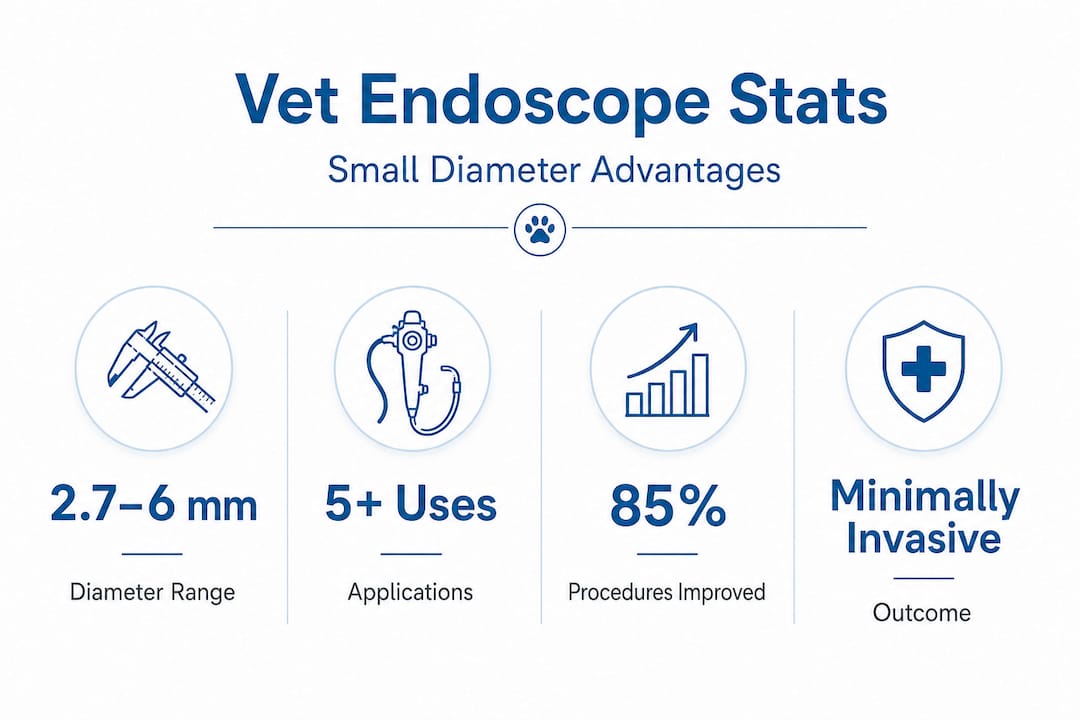
Small diameter is paired with specific procedural goals in veterinary equipment selection, but the smarter way to frame this is that small diameter scopes define what's possible for certain procedures. When a veterinarian scopes a 3 kg cat's airway with a 2.7 mm rigid bronchoscope and documents dynamic tracheal collapse on video, that moment is not possible with a larger scope. Period.
Veterinary medicine is tracking toward minimally invasive care across every specialty, from orthopedics to internal medicine. Small diameter endoscopes are a big part of that shift. They reduce the need for exploratory surgery, shorten anesthesia time, accelerate recovery, and generate visual documentation that improves both case management and client confidence.
The selection strategy matters more than the absolute size spec. A 3 mm scope chosen thoughtfully for a well-defined patient population outperforms a 10 mm scope chosen without procedural clarity. This is the practical wisdom that separates high-performing veterinary endoscopists from those who accumulate equipment without improving outcomes.
Exploring the rigid endoscope options available today shows how far the technology has advanced in image quality, portability, and durability. The investment in a well-matched small diameter scope pays dividends in diagnostic confidence from the very first case.
Explore advanced veterinary endoscope solutions
If this article clarified how small diameter endoscopes can expand what your practice can diagnose and treat, the next step is finding the right system for your specific caseload.
At 1800endoscope.com, we specialize in endoscopic systems built for animal health professionals who need reliable performance without overpaying for capability they won't use. Whether you're equipping a feline respiratory specialty service or building out a general small animal endoscopy program, our catalog has purpose-matched options. Browse the portable airway endoscope system for flexible field applications, explore our rigid endoscopy catalog for nasal and airway rigid scopes, or review the complete veterinary endoscope catalog to compare specifications across the full product range. Our team supports your selection process from first inquiry through long-term maintenance.
Frequently asked questions
What defines a small diameter endoscope in veterinary medicine?
A small diameter endoscope is typically defined by an outer diameter of 2.7 to 6 mm, optimized for entry into narrow animal anatomical passages. Rigid scopes are 2.7 mm outer diameter and pediatric or fiberoptic options exist specifically for the narrowest clinical targets.
Why is diameter selection important for veterinary endoscopy procedures?
Choosing the right diameter directly determines which instruments fit through the working channel and which procedures are clinically achievable. Selecting a smaller diameter changes the achievable working channel and the range of interventional tools you can pass, making procedural planning essential before purchase.
What are the most common uses for small diameter endoscopes in pets?
Small diameter endoscopes are most often used for respiratory, gastrointestinal, and ear or nasal cavity visual diagnostics in cats, small dogs, and pediatric animals. Small diameter endoscopes allow entry through narrow passages required for respiratory endoscopy that larger scopes cannot access safely.
Are small diameter endoscopes suitable for interventional procedures?
They excel at visual diagnostics and limited sampling, but smaller working channels restrict full interventional capability. Smaller diameter is paired with specific procedural goals, so practitioners planning biopsy or therapeutic interventions should verify working channel diameter against instrument requirements before committing to a scope.
Recommended
- FULLY PORTABLE 6mm X 150 AIRWAY INSPECTION DIRECT MONITOR SD CARD VIDEO AFFORDABLE LOW COST ENDOSCOPE ENDOSCOPY SYSTEM!
- Medical Veterinary Endoscope Endoscopy Systems, Light Sources, Accessories, Industrial NDT Borescopes
- Medical Veterinary Endoscope Endoscopy Systems, Light Sources, Accessories, Industrial NDT Borescopes
- Medical Veterinary Endoscope Endoscopy Systems, Light Sources, Accessories, Industrial NDT Borescopes