
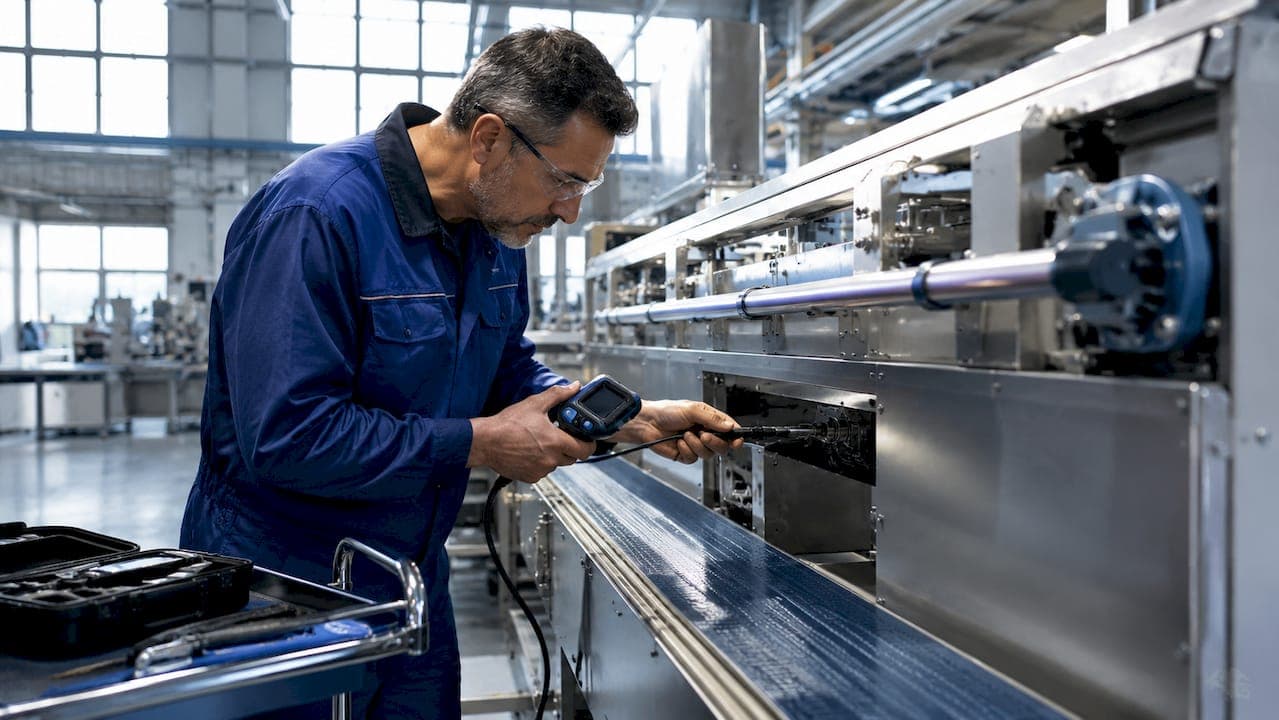
Video documentation in industrial inspection is defined as the systematic capture of moving footage during nondestructive testing (NDT) and condition assessment activities to create defensible, contextual evidence records. Static photos and written logs have long dominated inspection reports, but they miss what matters most: movement, flow, vibration, and the sequence of events that explain why a defect exists. Recording video during industrial inspection closes that gap by capturing dynamic conditions that no photograph can replicate. This article explains the core benefits of video inspection, best practices for capturing useful footage, and how video is reshaping regulatory compliance and safety monitoring across industrial environments.
What are the key benefits of recording video during industrial inspections?
Video captures what photos cannot. A photograph shows a crack at a single moment; a video shows whether that crack is growing, leaking, or vibrating under load. That distinction changes how quickly a technician can identify the root cause and how confidently a stakeholder can act on the finding.
The practical advantages of video documentation in inspections are substantial:
- Dynamic evidence: Video records fluid flow, mechanical movement, and audible anomalies that static images miss entirely.
- Dispute reduction: Insurers and project owners accept video as near-irrefutable evidence, reducing back-and-forth over defect severity.
- Faster diagnostics: Integrating video inspection reduces resolution times by up to 50% through accurate first-time diagnostics and fewer return visits. Fewer return visits mean lower labor costs and less equipment downtime.
- Stakeholder clarity: A 10-second clip communicates more than three pages of written description to a non-technical project manager or legal team.
- Remote expert involvement: Off-site engineers can review footage in real time and provide guidance without traveling to the site.
Elite engineers have begun replacing photo appendices with video to provide what some in the field call "aviation-grade" proof. Video captures movement and sound in ways that minimize insurer disputes and support faster claim resolution. That shift reflects a broader recognition that written reports and photo galleries are no longer sufficient for complex industrial assets.
Pro Tip: Record a brief verbal annotation at the start of each clip. State the asset ID, location, and the specific condition you are documenting. This narration becomes part of the evidentiary record and saves hours of post-inspection review.
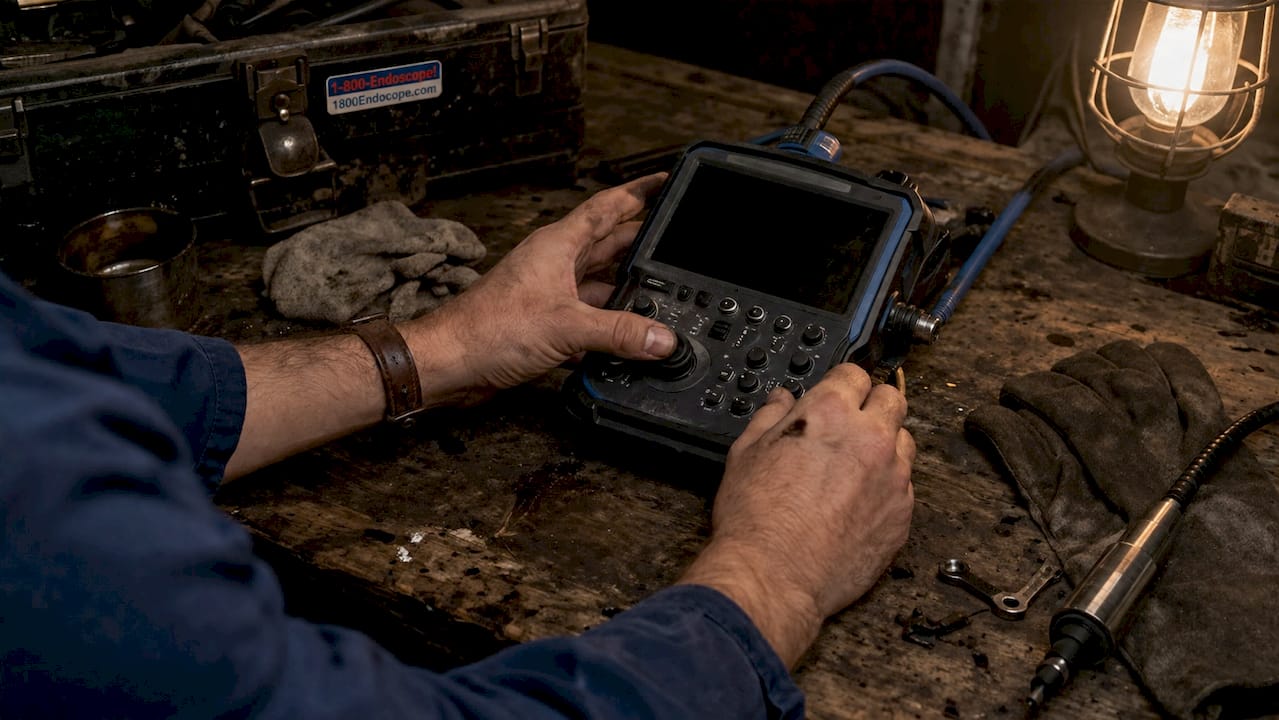
The importance of recording inspections also shows up in root cause analysis. When a field failure occurs weeks after an inspection, video footage lets engineers replay the exact conditions observed during the visit. That replay capability shortens investigation cycles and reduces the risk of misdiagnosis.
How does video recording enhance quality assurance and root cause analysis?
Video documentation accelerates root cause investigations by showing operator actions and process compliance, not just the final product state. A photo of a failed weld tells you the weld failed. A video of the welding process tells you why.
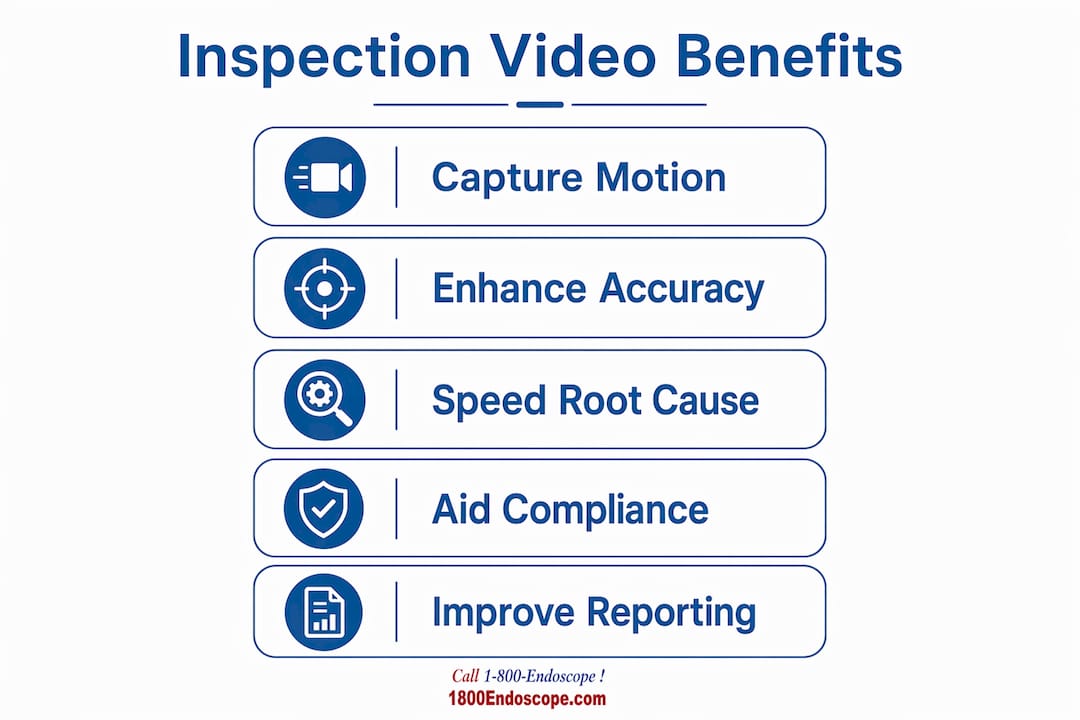
Video closes the quality control context gap by documenting operator adherence and manufacturing process details, giving quality engineers the "why" behind test results. That context is what quality management systems (QMS) and manufacturing execution systems (MES) need to generate accurate corrective action reports. Without it, failure analysis relies on reconstruction and guesswork.
The steps for integrating video into a quality assurance workflow follow a clear sequence:
- Capture process footage at critical checkpoints. Record operator actions during assembly, welding, or calibration steps where deviations are most likely.
- Embed standardized metadata at capture. Timestamps, asset IDs, and location data must be recorded automatically, not added manually after the fact.
- Link footage to the relevant QMS record. Attach video files directly to the nonconformance report or work order so investigators find them instantly.
- Flag anomalies during review. Use automated flagging to mark clips containing defects or process deviations for priority review.
- Archive with defined retention periods. Match video retention schedules to regulatory requirements and warranty periods for the asset class.
Standardizing metadata reduces post-inspection sorting time by up to 90%. That figure reflects how much time technicians waste searching for unlabeled or misfiled footage when metadata is inconsistent.
Pro Tip: Use your inspection software to auto-generate file names that include the date, asset ID, and defect code at the moment of capture. Manual renaming after the fact is the single biggest source of metadata errors in industrial video archives.
Video also supports traceability requirements under standards like ISO 9001 and AS9100. When an auditor requests evidence of process compliance, a timestamped video of the inspection procedure is far more convincing than a signed checklist.
What are the best practices for video documentation during industrial inspections?
Effective video documentation follows specific technical and procedural standards. Capturing footage without a defined approach produces files that are too long, poorly labeled, and difficult to use in post-inspection analysis.
The most critical best practices include:
- Keep clips short and focused. 5 to 15 seconds is the recommended length for documenting specific dynamic issues. Longer clips dilute the finding and slow down review.
- Start wide, then zoom in. Contextual video sweeps from wide views to close-up defects reduce ambiguity and support remote assessment. A viewer who cannot orient themselves spatially will misinterpret what they see.
- Use automated naming and flagging. Manual file management at scale is unreliable. Automated systems that flag anomaly clips and apply consistent naming conventions protect data integrity.
- Comply with data integrity regulations. Industrial video footage used for GMP compliance must meet strict data integrity standards under updated guidelines such as the 2026 EU-GMP documentation requirements. These rules govern how records are created, stored, and retrieved.
| Approach | Outcome |
|---|---|
| Unstructured, long-form video | High storage cost, slow review, poor evidentiary value |
| Short, metadata-tagged clips | Fast retrieval, lower storage, audit-ready records |
| Wide-to-close contextual sweep | Spatial clarity, reduced misinterpretation, remote-friendly |
| Automated anomaly flagging | Up to 80–90% reduction in storage needs |
Automated flagging with anomaly clip retention reduces storage needs by 80–90%. That reduction makes large-scale video inspection programs economically viable without requiring enterprise-level storage infrastructure.
Understanding how HD video transforms inspection accuracy is the foundation for choosing the right capture settings. Resolution, frame rate, and lighting all affect whether a clip is usable as evidence or needs to be recaptured.
How does video documentation shape regulatory compliance and safety monitoring?
Video is becoming the standard for regulatory evidence in industrial environments. Written logs and static photos no longer satisfy auditors who need to verify that a process was followed correctly and that hazardous conditions were identified and addressed in real time.
Video documentation is becoming standard in hazardous area monitoring, providing immutable evidence for safety audits and incident responses that meet tightening 2026 safety regulations. The growth of hazardous area-rated cameras reflects how seriously industrial operators are taking this shift.
The compliance advantages of video over manual logbooks are direct:
- Immutable records: Video files with embedded metadata cannot be altered without detection, unlike handwritten logs.
- Incident reconstruction: When a safety incident occurs, video footage provides an objective account that supports both internal review and regulatory reporting.
- Training documentation: Footage of correct inspection procedures serves as a training reference that new technicians can review repeatedly.
- Audit readiness: Regulators increasingly request video evidence during facility audits, particularly in pharmaceutical manufacturing, oil and gas, and aerospace.
"Hazardous area cameras are no longer a specialty item. They are becoming a baseline requirement for any industrial operation subject to safety audits, and the footage they capture is treated as primary evidence in incident investigations." Source: The Silicon Review, 2026
The shift away from manual logbooks is not just about convenience. A logbook entry depends on the technician's memory, attention, and handwriting. A video clip is objective. That objectivity is what regulators and insurers require when liability is at stake.
What real-world applications and technology trends are driving video adoption?
Video inspection is expanding rapidly across heavy equipment maintenance, manufacturing plants, and hazardous zone monitoring. The technology trends driving this adoption make video inspection faster, cheaper, and more useful than it was five years ago.
Key applications and trends include:
- Remote inspections: Remote video inspections reduce travel costs by 75%, enabling expert guidance without on-site visits. That cost reduction makes remote inspection viable for routine checks on geographically dispersed assets.
- AI-assisted defect flagging: Automated systems analyze footage in real time and flag frames containing anomalies, reducing the volume of footage that human reviewers must examine.
- Cloud-based documentation portals: Teams upload inspection footage directly to cloud platforms where project managers, engineers, and auditors can access records without requesting file transfers.
- Borescope and videoscope integration: Flexible videoscope applications for industrial use allow technicians to capture footage inside pipes, turbines, and confined spaces where traditional cameras cannot reach.
The combination of AI flagging and short-clip best practices addresses the storage challenge that previously made large-scale video programs impractical. When only anomaly clips are retained at full resolution, storage costs drop dramatically while evidentiary value stays high.
Key Takeaways
Video documentation in industrial inspections is the most reliable method for capturing dynamic, contextual evidence that supports quality assurance, regulatory compliance, and accurate root cause analysis.
| Point | Details |
|---|---|
| Video captures dynamic evidence | Footage records movement, flow, and sound that static photos cannot document. |
| Short clips maximize utility | Keep inspection clips to 5–15 seconds focused on the specific defect or condition. |
| Metadata is non-negotiable | Timestamps, asset IDs, and location data must be embedded at capture to preserve evidentiary value. |
| Compliance demands video | Regulations like 2026 EU-GMP guidelines require data-integrity-compliant video records for audits. |
| Remote video cuts costs | Remote video inspection reduces travel costs by up to 75% while enabling real-time expert review. |
What I've learned about video inspection that most articles won't tell you
After working closely with industrial inspection professionals across manufacturing, oil and gas, and aerospace, the pattern I see most often is not a technology problem. It is a discipline problem. Teams invest in capable videoscopes and recording systems, then undermine the entire effort with inconsistent metadata, clips that run three minutes instead of 15 seconds, and no defined link between footage and the QMS record it is supposed to support.
The technicians who get the most value from video documentation treat every clip like a legal exhibit. They know the footage may be reviewed by an auditor, an insurer, or an opposing attorney. That mindset changes how they capture, label, and store footage from the first day they pick up a videoscope.
The other mistake I see regularly is treating video as a supplement to the written report rather than the primary record. The written report should summarize what the video shows. When you reverse that relationship, you end up with reports that contradict the footage, which is the worst possible outcome in a dispute.
The future of industrial inspection belongs to teams that build video documentation into their standard operating procedures, not as an add-on, but as the core evidentiary method. The tools are affordable and portable. The standards are clear. The only barrier is the habit of reaching for a camera instead of a notepad.
— Endoscope
Video inspection tools from 1800endoscope
Industrial inspection professionals who want to put these practices into action need equipment that is portable, reliable, and capable of capturing footage that meets evidentiary standards.
1800endoscope offers a range of portable video inspection systems built for industrial NDT applications. The fully portable SD card video endoscope system delivers direct-monitor viewing with SD card recording at a price point that makes video documentation accessible for field teams and smaller inspection firms. For technicians who need a broader selection, the borescope and endoscope catalog covers flexible and rigid options suited for confined space inspection, pipe assessment, and equipment diagnostics. Every system is designed to produce footage you can use in reports, audits, and root cause investigations without additional processing.
FAQ
Why record video during industrial inspection instead of photos?
Video captures dynamic conditions such as movement, flow, and vibration that photos cannot document. It also reduces ambiguity for stakeholders and provides stronger evidentiary support in disputes and audits.
How long should an industrial inspection video clip be?
The recommended clip length is 5–15 seconds, focused on the specific defect or dynamic condition being documented. Longer clips increase storage costs and slow down post-inspection review.
What metadata should be embedded in inspection video files?
Every clip should include a timestamp, asset ID, and location data recorded automatically at the moment of capture. Standardized metadata reduces post-inspection sorting time by up to 90% and preserves the evidentiary value of the footage.
How does video inspection support regulatory compliance?
Video provides immutable, timestamped records that satisfy auditor requests for process verification. Under frameworks like the 2026 EU-GMP documentation guidelines, video records must meet strict data integrity standards for pharmaceutical and regulated manufacturing environments.
Can remote video inspection replace on-site visits?
Remote video inspection reduces travel costs by up to 75% and enables real-time expert involvement without on-site presence. It works best for routine condition checks and preliminary assessments, with on-site visits reserved for confirmed defects requiring physical intervention.