
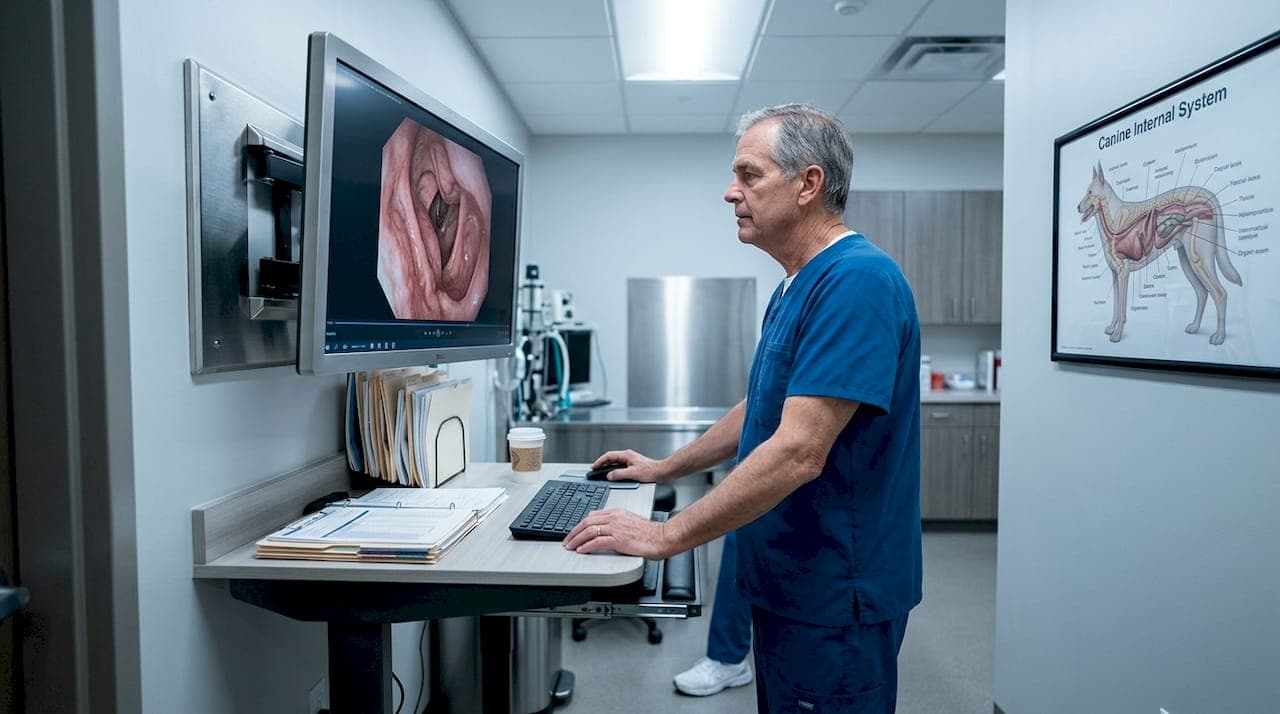
High-definition video has reshaped what veterinary clinicians and industrial inspection teams expect from their equipment — but the relationship between resolution and results is more nuanced than most buyers realize. Many professionals assume that upgrading to HD automatically translates into better diagnostic outcomes, but the evidence paints a more complex picture. This guide cuts through the noise, offering a clear look at what HD video genuinely delivers in both veterinary and industrial settings, where it falls short, and how to build a workflow that gets the most from your imaging equipment.
Table of Contents
- Understanding HD video in inspection: technology and context
- Key advantages of HD video in veterinary and industrial applications
- Limits and misconceptions: What HD doesn't guarantee
- Integrating HD video into inspection workflows
- The surprising truth: Why the operator still matters more than resolution
- Explore portable HD video solutions for your inspection needs
- Frequently asked questions
Key Takeaways
| Point | Details |
|---|---|
| HD video excels at detail | High-definition video captures subtle changes that are often missed with standard cameras. |
| Skill and protocols matter | Operator expertise and thorough workflow remain critical even with the best HD equipment. |
| Not a standalone solution | HD video enhances diagnosis but should be paired with other verification methods for reliability. |
| Workflow integration essential | Plan equipment upgrades and team training together to get the most out of HD video tools. |
Understanding HD video in inspection: technology and context
To truly understand whether HD video lives up to the hype, it helps to start with the basics — what HD video actually means in the inspection world.
HD video, or high-definition video, typically refers to resolutions at or above 1280x720 pixels (720p), with many modern endoscopic systems reaching 1080p or even 4K. Standard definition (SD) systems, by contrast, generally operate at resolutions below 720p, often around 480 lines of vertical resolution. That gap matters enormously inside a small lumen, a corroded pipe, or a horse's airway, where fine-grain detail can be the difference between catching a problem and missing it entirely.
The hardware driving HD inspection systems includes high-sensitivity CMOS or CCD sensors, which capture more light and finer spatial detail in low-light environments like body cavities or industrial conduits. These sensors feed into purpose-built monitors calibrated for clinical or field use, and increasingly, the systems themselves are portable enough to be carried to the animal or to a remote industrial site. Portability has become a critical selling point because inspection rarely happens in controlled lab settings.
The use cases split cleanly between two worlds:
- Veterinary: Gastrointestinal (GI) endoscopy for small animals and large animals like horses, airway examinations, urinary tract inspection, and otoscopy.
- Industrial NDT (non-destructive testing): Pipe inspection, turbine blade examination, weld verification, heat exchanger tube surveys, and confined space evaluation.
Research from the Indian Journal of Animal Research confirms that HD endoscopy is superior to radiography and ultrasound for detecting subtle mucosal changes in veterinary GI diagnostics, which positions it as the gold standard for certain presentations. That's a significant claim, and it's backed by clinical experience in small animal gastroenterology.
| Feature | Standard definition (SD) | High definition (HD) |
|---|---|---|
| Typical resolution | 480p or below | 720p to 4K |
| Mucosal detail | Limited, often misses subtle lesions | Sharper, reveals fine surface changes |
| Low-light performance | Noisy, washed-out in deep cavities | Cleaner image, better signal-to-noise ratio |
| Portability | Varies | Modern systems are field-ready |
| File size / storage | Smaller | Larger, requires proper archiving |
| Consultation sharing | Difficult to read on small screens | Easy to share, zoom without quality loss |
Professionals evaluating endoscopy system options for the first time often underestimate how much the monitor and sensor combination matters beyond raw resolution numbers.
Key advantages of HD video in veterinary and industrial applications
With a clear grasp of what HD video brings to the table, let's explore where those strengths show up most dramatically for real-world veterinary and industrial users.
The most immediate advantage is detection of subtle defects and lesions. In veterinary GI work, the difference between a healthy mucosa and an early inflammatory lesion can be a matter of texture, color variation, or a millimeter-scale irregularity. SD systems routinely miss these findings because the pixel density simply isn't there. HD imaging captures those changes with enough fidelity for a clinician to make an informed call on the spot, or confidently refer the image for specialist review.
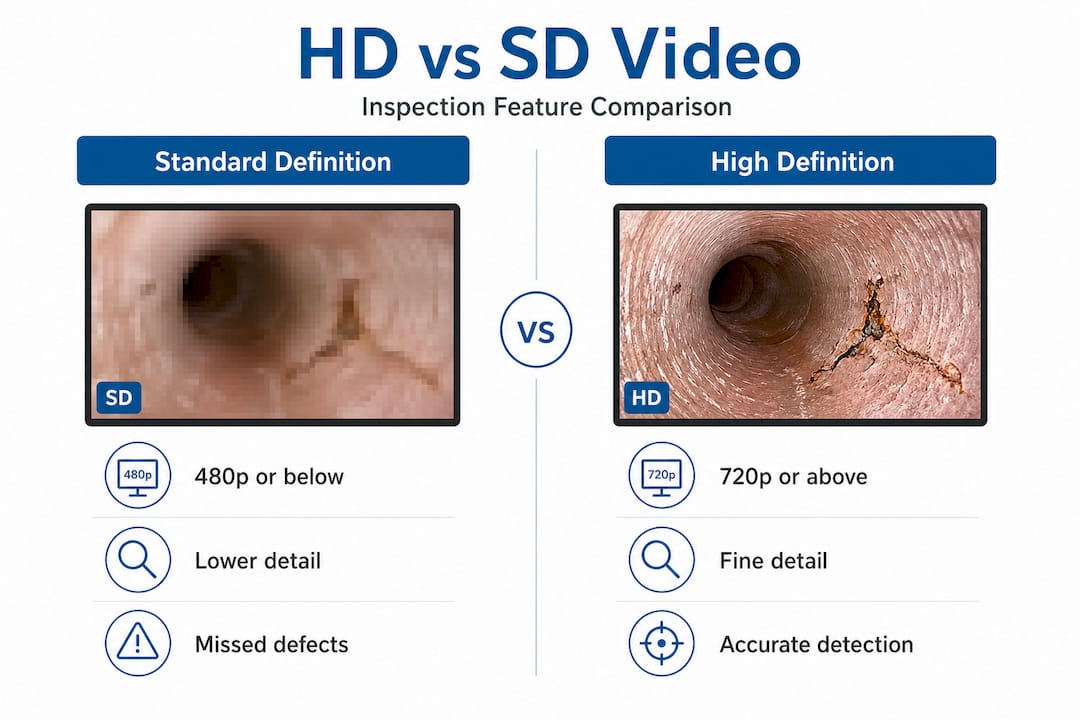
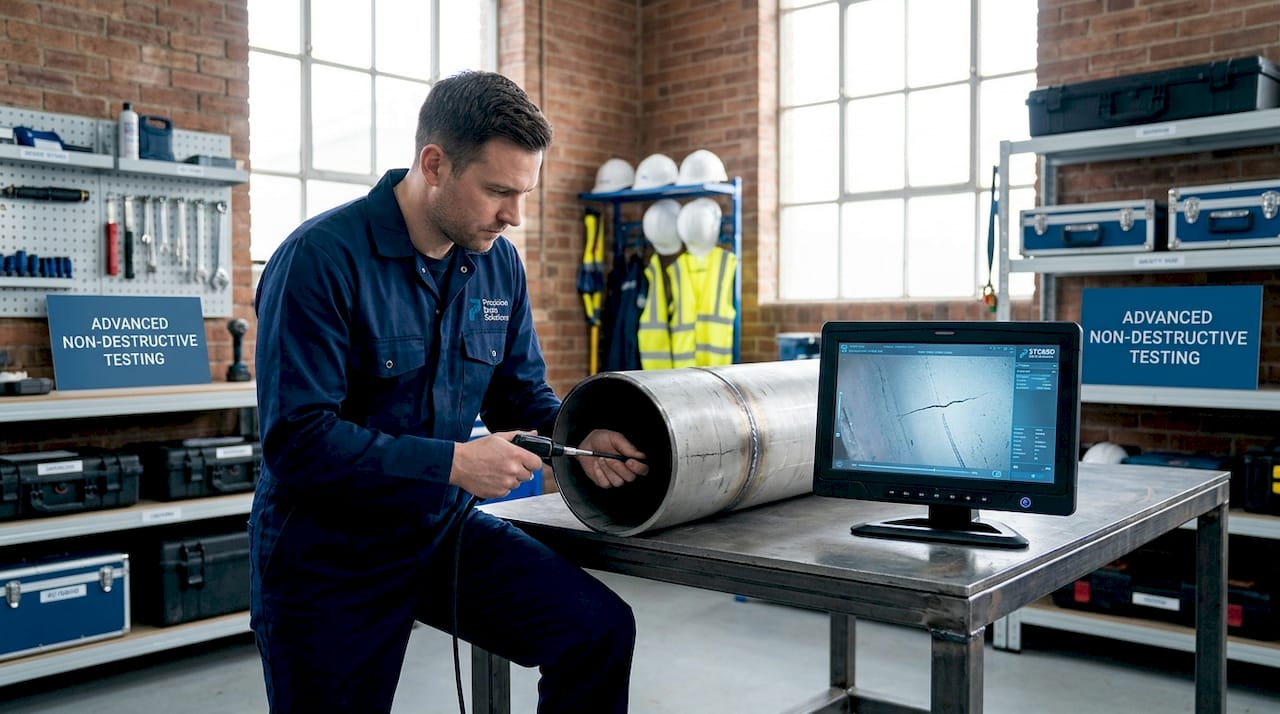
In industrial inspections, the same logic applies to surface cracks, corrosion pitting, and weld discontinuities. A 1080p borescope looking inside a turbine housing can resolve cracks that would appear as indistinct shadows on a 480p system. That's not just a quality-of-life improvement — it directly reduces the risk of passing a component that should fail inspection.
HD endoscopy is superior to radiography and ultrasound for identifying subtle mucosal changes in veterinary GI diagnostics. This finding underscores a broader truth: modality selection matters as much as equipment quality.
Here are three advantages that consistently define HD video performance in both fields:
- More diagnostic detail. HD systems resolve structures that SD cameras blur into background noise, giving operators more information per inspection event and reducing the chance of a repeat procedure.
- Flexible portable usage. Modern HD videoscopes are compact and battery-powered, making them viable for equine field exams, remote pipe surveys, and emergency use in ambulatory clinics. Systems like equine dental videoscopes are specifically designed for this scenario.
- Quick sharing for consultations. HD footage can be shared instantly via email, secure messaging platforms, or cloud storage, enabling specialist consultation without the animal or the component needing to travel.
Pro Tip: HD video is genuinely powerful, but resist the urge to use it as your only diagnostic lens. In veterinary practice, a finding on endoscopy should prompt follow-up with histopathology or additional imaging where the clinical picture is unclear. In industrial NDT, a visual finding always needs measurement or material testing before a component is condemned or cleared.
Veterinary clinics using vet rigid endoscopes for cavity work also report shorter procedure times because the clearer image reduces the number of passes needed to survey a region of interest. Efficiency has a direct dollar value in a busy clinic or a time-pressured industrial shutdown inspection.
Limits and misconceptions: What HD doesn't guarantee
That said, advanced imaging isn't a magic bullet, and understanding the limits of HD video can prevent costly mistakes.
One of the most widely cited pieces of research in this area comes from human gastroenterology, where HD colonoscopy has been studied extensively against SD colonoscopy. The findings are instructive for veterinary and industrial users. HD detects more polyps than SD, with polyp detection rates (PDR) of roughly 30 to 37% for HD versus 32 to 37% for SD, and adenoma detection rates (ADR) of 24 to 50%, showing similar ranges. The headline finding: HD often finds more things, but not necessarily more clinically significant things. Operator skill and procedure-level variables matter more than video format alone.
"High-definition colonoscopy may detect more lesions overall, but the clinical significance of those additional findings depends heavily on the operator's training, withdrawal technique, and adherence to systematic inspection protocols. Resolution alone does not determine diagnostic yield."
This nuance translates directly to veterinary and industrial contexts:
- Veterinary GI work: An experienced endoscopist using SD equipment with good technique will often outperform a novice using HD because technique, insufflation management, and mucosal wash protocols drive detection rates more than pixel count.
- Industrial NDT: A trained inspector knows how to position a borescope for optimal contrast and shadow resolution. The same tool in untrained hands produces footage that looks sharp but misses defects because of poor angle or lighting management.
- Common pitfall 1: Assuming HD endoscopy replaces other modalities. A beautiful HD image of a gastric lesion still requires biopsy for tissue characterization. Visual findings are a starting point, not a conclusion.
- Common pitfall 2: Skipping operator training after an equipment upgrade. The assumption that better equipment automatically produces better results leads clinics and firms to underinvest in the human side of the upgrade.
Field-ready systems like the airway videoscope are excellent tools, but their value depends entirely on the person holding them knowing how to interpret what they see in real time. Technology enables, but humans decide.
Integrating HD video into inspection workflows
Armed with realistic expectations, you can approach the transition to HD video strategically and maximize the benefits.
The biggest workflow shift from SD to HD isn't just about swapping cameras. It's about building a system around the better data that HD produces. That means storage for larger files, protocols for image annotation and archiving, and a review process that takes advantage of the added detail.
| Workflow element | Without HD video | With HD video |
|---|---|---|
| Lesion/defect detection | Misses subtle findings | Captures fine surface detail |
| Documentation quality | Often insufficient for review | Clear, shareable for specialist consult |
| Procedure efficiency | More repeat passes needed | Fewer passes, faster decisions |
| Training and onboarding | Easier to interpret blurry images | Requires learning to use full detail |
| Storage and IT requirements | Minimal | Larger files, needs structured archiving |
| Consultation capability | Limited, low-res images hard to read | Strong, HD stills and clips review easily |
Here's a practical adoption sequence that works for both veterinary clinics and industrial inspection teams:
- Assess your primary use cases. A small animal clinic doing mostly GI work needs a different HD system than an industrial firm specializing in heat exchanger surveys. Define your top three inspection scenarios before comparing equipment.
- Evaluate equipment compatibility. Check whether your existing light sources, processors, and monitors are HD-ready. In some cases, only the insertion tube needs upgrading; in others, the whole stack needs updating.
- Train staff before going live. Run sample cases or test inspections with the new HD system before using it in a live clinical or production setting. Record baseline footage and compare HD findings to what you would have seen on your old system.
- Validate with documented cases. Spend the first 30 to 60 days documenting cases where HD imaging influenced a clinical decision or a defect call. This builds an evidence base for your own practice and supports future equipment decisions.
Pro Tip: Build image archiving and sharing into your workflow from day one. The ability to pull up HD footage from a previous inspection — veterinary or industrial — and compare it to current findings is one of the most underused advantages of modern HD systems. Systems like portable inspection endoscopes often include on-board recording that makes this straightforward.
Always confirm suspicious findings with additional tests. Case studies show that HD benefits are most clear in defect detection, but biopsy and supplementary imaging remain essential for complete diagnostic accuracy. HD video elevates your first-pass assessment. It doesn't replace confirmatory testing.
The surprising truth: Why the operator still matters more than resolution
Here is what most equipment conversations miss entirely: the best HD endoscope in the world is a very expensive way to miss a diagnosis if the operator doesn't know what they're looking for.
We've seen this play out repeatedly. A veterinarian with 15 years of GI endoscopy experience using an older SD system will catch lesions that a less experienced colleague overlooks on a new 1080p platform. The experienced operator knows exactly where to look, how to maneuver around folds, how to clean the lens in real time, and how to interpret a subtle color shift as a sign of early inflammation rather than artifact. No sensor resolves that knowledge gap.
The same dynamic runs through industrial inspection. Operator skill matters more than video resolution in determining what gets found and what gets missed. An experienced NDT technician understands how to read shadow gradients, probe angle effects, and light reflection patterns inside a corroded pipe. An inexperienced tech can record crisp 4K footage and still file a clean report on a component that should have been condemned.
This is not an argument against HD technology. It's an argument for treating the human and the technology as inseparable parts of the same system. When you invest in an HD upgrade, budget equally for:
- Formal training on the new equipment, not just a manufacturer walkthrough
- Structured review protocols that ensure operators use the full image resolution, not just center-frame scanning
- Peer review and case discussion in the early adoption phase, so that HD findings are interpreted in context rather than in isolation
When you're reviewing endoscopy options for your clinic or team, ask suppliers not just about pixel count but about what training and post-sale support they provide. The answer tells you a lot about whether they understand how diagnostic imaging actually works in practice.
HD tools are force multipliers, not replacements for experience. Invest in both, and the combination produces results that neither alone can match.
Explore portable HD video solutions for your inspection needs
If you're considering upgrading your practice or inspection workflow with portable, high-quality video equipment, tailored options are available at 1800endoscope.com. Whether you run a busy small animal clinic, manage equine field work, or lead an industrial NDT team doing routine borescope surveys, the right HD system can sharpen your findings and streamline your documentation.
At 1800endoscope.com, you'll find a purpose-built catalog covering veterinary videoscopes, rigid endoscopes, portable industrial borescopes, and all the accessories that make HD inspection practical in real field conditions. From biopsy forceps to wireless-capable videoscope platforms, every product is selected for professionals who need reliable performance on the job. Browse the full range, request a demo, or reach out to the sales team to match your specific inspection needs to the right HD solution.
Frequently asked questions
Does HD video always lead to better diagnostic results in veterinary endoscopy?
HD video improves image detail and gives clinicians more to work with, but it does not automatically guarantee more accurate diagnoses. Operator skill matters more than resolution in determining how accurately findings are interpreted and acted upon.
What are the main benefits of HD video for industrial inspection?
HD video enables inspectors to resolve subtle surface defects, cracks, and corrosion that SD systems routinely miss, and it produces documentation-quality footage for records and future comparison. Case studies confirm that HD benefits are most pronounced in defect detection scenarios during borescope and videoscope inspections.
Is HD video enough for a complete diagnosis in veterinary procedures?
No. HD endoscopy is a powerful starting point for identifying lesions or mucosal changes, but a complete diagnosis requires confirmatory steps. Always verify findings with biopsies, histopathology, or complementary imaging before making a final clinical decision.
How do I choose the right HD endoscope for my clinic or industrial team?
Start by defining your top inspection scenarios, then evaluate HD systems based on sensor quality, insertion tube diameter, portability, and compatibility with your existing equipment. Factor in staff training needs and post-sale support before finalizing your selection to ensure the system gets used to its full potential.