
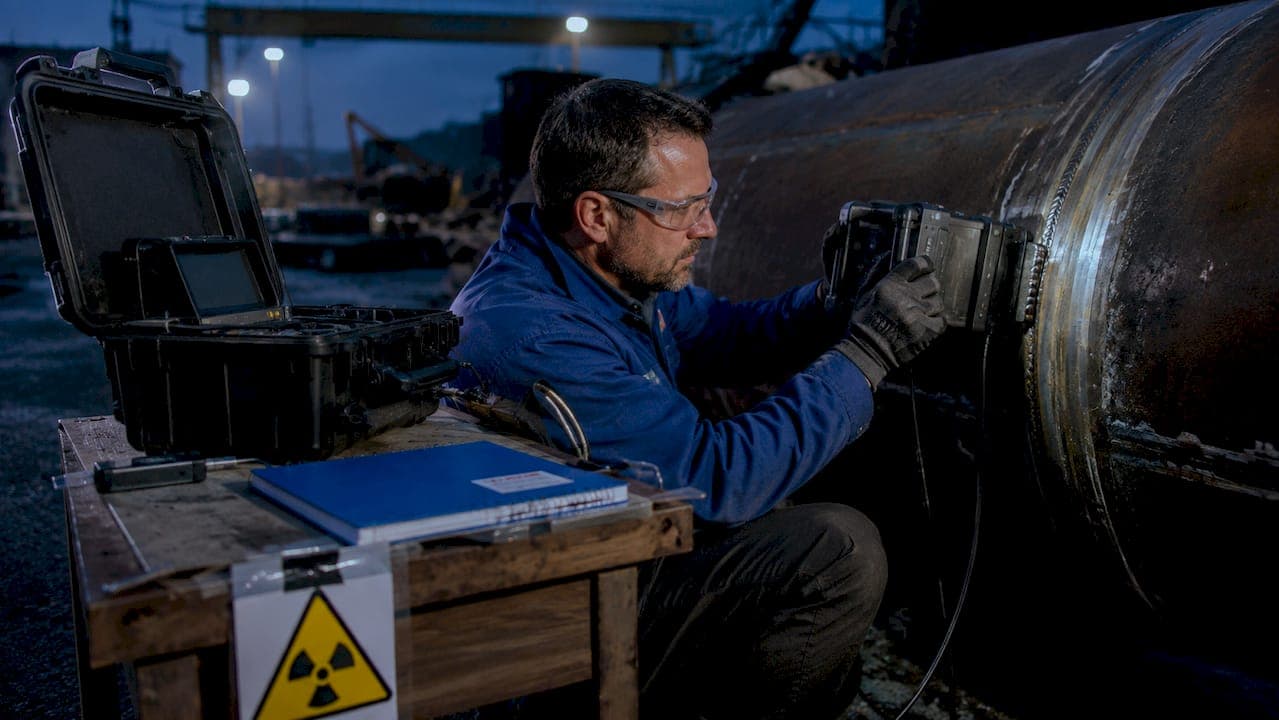
Industrial radiography uses penetrating radiation to reveal internal volumetric defects, while videoscope inspection delivers real-time visual access to surfaces and internal components through flexible cameras without requiring disassembly. These two non-destructive testing techniques serve distinct but complementary roles in industrial quality control. Radiography operates under ASME Boiler and Pressure Vessel Code and ASTM standards, making it the standard for regulatory compliance in weld and pressure vessel inspection. Videoscope inspection, the industry term for remote visual inspection using articulating camera systems, fills the gap where radiation cannot reach or where speed and safety take priority. 1800endoscope supplies videoscope systems built for exactly these industrial NDT workflows.
1. What are the primary differences in industrial radiography vs videoscope inspection?
Radiography detects deep volumetric defects such as porosity, inclusions, and voids by passing X-rays or gamma rays through a component and capturing the result on a digital detector or film. Videoscopes provide real-time visual inspection of surfaces and internal cavities by inserting a small articulating camera through an existing access port. The two methods target fundamentally different defect categories.
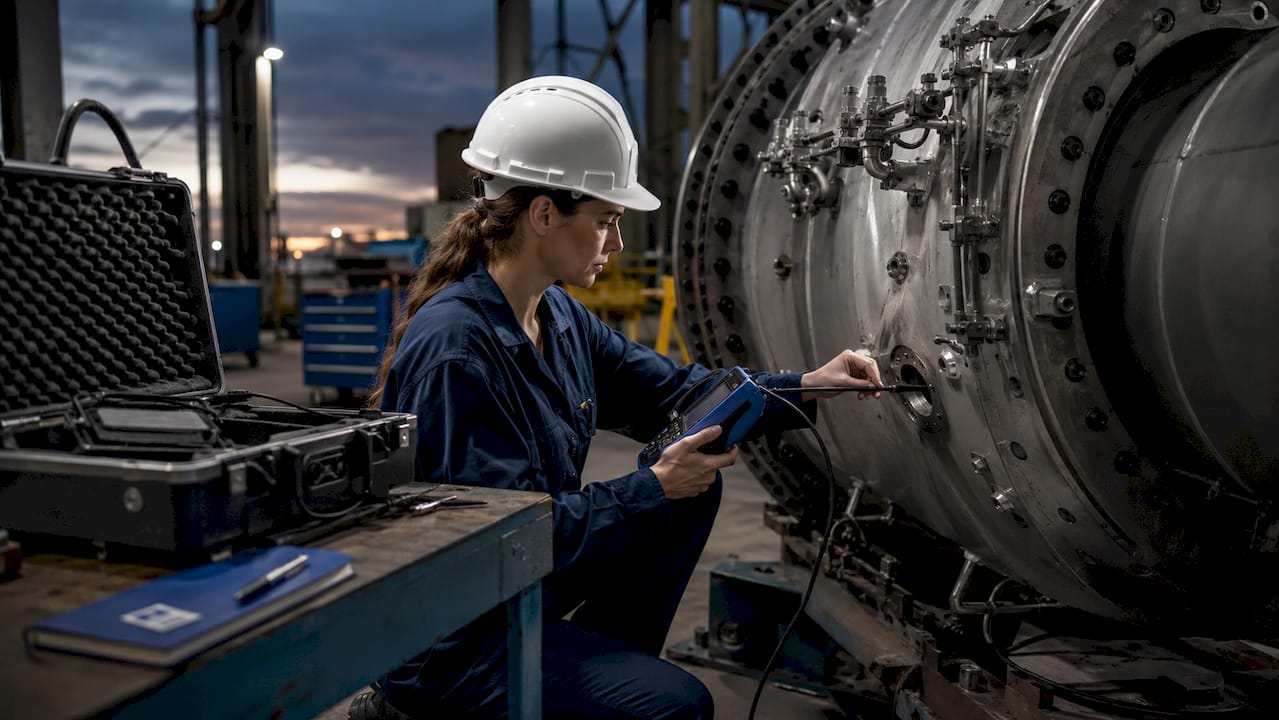
Radiography excels at finding what you cannot see from any surface. A weld with internal porosity looks clean on the outside but shows clearly on a radiographic image. Videoscopes answer a different question: what does the internal surface actually look like right now?
Key operational distinctions:
- Defect type: Radiography detects subsurface volumetric flaws. Videoscopes detect surface wear, corrosion, debris, and blockages.
- Access requirement: Radiography needs access to both sides of the component for the source and detector. Videoscopes need only a single access port.
- Output: Radiography produces permanent images accepted as regulatory records. Videoscopes produce real-time video and still images for condition monitoring.
- Safety controls: Radiography requires exclusion zones, trained radiation workers, and strict time, distance, and shielding protocols. Videoscopes require none of these.
- Inspection speed: Videoscopes deliver immediate feedback. Radiography involves setup, exposure, and processing time.
Pro Tip: Use a videoscope first to confirm whether a component actually warrants the time and cost of a full radiographic inspection. This sequence alone can eliminate unnecessary setups.
2. How do cost, speed, and safety compare between the two methods?
Radiography equipment costs range from $25,000 to over $100,000, and that figure does not include radiation safety infrastructure, licensing, or the labor cost of trained radiation protection personnel. Videoscopes carry a significantly lower cost of ownership and require no radiation permits or exclusion zones. For inspection teams managing tight budgets, the operational gap is substantial.
Setup time drives another major difference. A radiographic inspection of a pipeline weld requires clearing the area, positioning the source and detector, exposing the film or digital panel, and then processing the image. That sequence can take hours per weld. A videoscope inspection of the same pipe interior through an access port takes minutes.
Videoscopes allow simultaneous production operations nearby because they emit no ionizing radiation. Radiography shuts down adjacent work areas until the exposure is complete. In a busy manufacturing or refinery environment, that downtime has a direct cost.
Pro Tip: When scheduling radiographic inspections, batch multiple welds or components in the same exclusion zone to reduce the total number of shutdowns. Videoscopes do not require this planning overhead.
3. What defect types and applications suit each method?
The choice between radiography and videoscope inspection starts with the defect you are looking for. Radiography is superior for volumetric flaws, while videoscopes are the right tool for surface wear, debris, and condition monitoring.
Radiography applications in industry
Radiography is the standard method for:
- Weld integrity in pressure vessels and structural components under ASME and API codes
- Casting inspection for shrinkage, porosity, and inclusions in aerospace and automotive parts
- Pipeline girth welds in oil and gas, where internal defects can cause catastrophic failure
- Inspection of thick-walled components where surface methods cannot reach the defect plane
One important limitation: radiography is less effective at detecting planar cracks oriented parallel to the radiation beam. Those cracks may require ultrasonic testing instead. Radiography and videoscopes are complementary, not mutually exclusive.
Videoscope applications in industry
Videoscopes are the right tool for:
- Internal surface inspection of turbine blades, combustion chambers, and heat exchangers
- Condition monitoring of gearboxes, compressors, and hydraulic systems through access ports
- Visualizing internal surfaces in pipes and bends without costly disassembly
- Checking for blockages, corrosion, and debris in narrow piping systems
- Pre-teardown assessment to confirm whether a component actually needs repair
The types of videoscope applications in industrial settings span oil and gas, aerospace, automotive, and power generation. In each case, the videoscope answers a visual question quickly and without radiation risk.
4. What technological advances define modern systems?
Digital radiography and advanced videoscope systems have both moved well beyond their original capabilities. Understanding current technology helps inspection teams make better equipment decisions.
Digital radiography improvements
Digital radiography reduces exposure times by 40–50% compared to traditional film radiography. Small defect detection probability improves from 78% to 88% with digital systems. False call rates drop from 12 to 7 per 100 welds in pipeline applications. These gains come from digital image processing, which allows contrast adjustment, zoom, and archival without physical film handling.
Traditional film radiography still appears in legacy compliance workflows, but digital systems now dominate new installations because of speed, image quality, and the ability to share images remotely for third-party review.
Modern videoscope capabilities
Modern videoscopes bring capabilities that were not available in earlier fiber optic borescopes:
- Multi-directional articulation: Camera tips articulate in multiple planes, reaching elbows and bends that rigid or single-direction scopes cannot access.
- 3D measurement: Videoscopes with 3D measurement capabilities use optical triangulation to quantify defect depth and area directly from the image. This turns a visual inspection into a quantitative one.
- HD video recording: High-definition video with time-stamp logging creates a documented inspection record comparable in traceability to radiographic film.
- Portability: Compact systems fit in a carry case and operate on battery power, making them practical for field use in remote or confined locations.
Understanding what a videoscope is and how its features map to specific inspection tasks helps technicians select the right configuration before entering the field.
| Feature | Digital radiography | Modern videoscope |
|---|---|---|
| Defect type detected | Volumetric, subsurface | Surface, near-surface |
| Radiation required | Yes (X-ray or gamma) | No |
| Real-time imaging | Limited | Yes |
| 3D measurement | No | Yes (optical triangulation) |
| Exclusion zone needed | Yes | No |
| Exposure time reduction | 40–50% vs. film | Not applicable |
| Regulatory record | Permanent image | Video/image log |
Key Takeaways
Videoscope inspection and industrial radiography are not competing technologies. Each method detects what the other cannot, and the most effective NDT programs use both based on defect type, access, and compliance requirements.
| Point | Details |
|---|---|
| Defect type drives the choice | Use radiography for volumetric subsurface defects; use videoscopes for surface wear and condition monitoring. |
| Cost and safety differ significantly | Radiography costs $25,000–$100,000+ with radiation controls; videoscopes require no permits or exclusion zones. |
| Digital radiography improves speed | Digital systems cut exposure times by 40–50% and raise small defect detection from 78% to 88%. |
| Videoscopes enable concurrent operations | Non-ionizing videoscopes allow nearby production to continue during inspection, reducing facility downtime. |
| Combined use delivers full coverage | Experienced inspectors use videoscopes for first-line visual checks and radiography for regulatory confirmation. |
The case for using both methods, not choosing between them
After working with industrial inspection professionals across oil and gas, aerospace, and manufacturing, the most common mistake I see is treating this as an either/or decision. Teams either default to radiography for everything because it satisfies the regulator, or they rely entirely on videoscopes because they are fast and cheap. Both approaches leave gaps.
The right workflow uses videoscopes as the first line of visual defense. Videoscopes answer the question "what does it actually look like inside?" before anyone decides whether a full radiographic inspection is warranted. That sequence prevents unnecessary teardowns and avoids scheduling radiation exclusion zones for components that turn out to be in good condition.
Radiography remains indispensable for regulatory compliance. Radiography is preferred for producing permanent visual records required by regulators or for dispute resolution. No videoscope image replaces a radiographic record when an ASME code compliance audit comes around.
The practical advice is this: train your inspectors to interpret both types of data. A technician who understands what a videoscope image tells them, and what it does not, makes better decisions about when to escalate to radiography. Technology keeps improving, but the judgment of a trained inspector remains the variable that determines whether an inspection program actually works.
— Endoscope
1800endoscope videoscope systems for industrial inspection
Industrial inspection professionals who need portable, affordable videoscope systems for field and facility use will find a direct solution at 1800endoscope.
1800endoscope carries a full range of industrial NDT borescopes and videoscope systems built for the inspection scenarios covered in this article. The portable 6mm videoscope system delivers HD video recording, direct monitor display, and SD card storage in a carry-case format ready for field deployment. These systems work in turbines, piping, gearboxes, and heat exchangers without radiation permits or exclusion zones. For inspection teams looking to add visual NDT capability without the overhead of a radiographic program, 1800endoscope offers a practical starting point.
FAQ
What is the main difference between radiography and videoscope inspection?
Radiography detects internal volumetric defects using X-rays or gamma rays, while videoscope inspection provides real-time visual assessment of internal surfaces through a flexible camera. They target different defect types and serve different roles in an NDT program.
Can a videoscope replace radiography for weld inspection?
No. Videoscopes inspect surface conditions and accessible internal areas, but they cannot detect subsurface porosity, inclusions, or voids in welds. Radiography remains the required method under ASME and API codes for weld integrity verification.
How much faster is digital radiography than film?
Digital radiography reduces exposure times by 40–50% compared to traditional film and improves small defect detection probability from 78% to 88%. It also eliminates film processing and enables remote image sharing.
Do videoscopes require any special safety permits?
Videoscopes are non-ionizing and require no radiation permits, exclusion zones, or radiation protection personnel. This makes them significantly faster to deploy and safer to operate in active production environments.
When should an inspection program use both methods together?
Use a videoscope first to assess surface condition and determine whether a component warrants further investigation. Follow with radiography when regulatory compliance, permanent records, or subsurface defect confirmation is required.