
Blog
Discover our latest articles and blogs
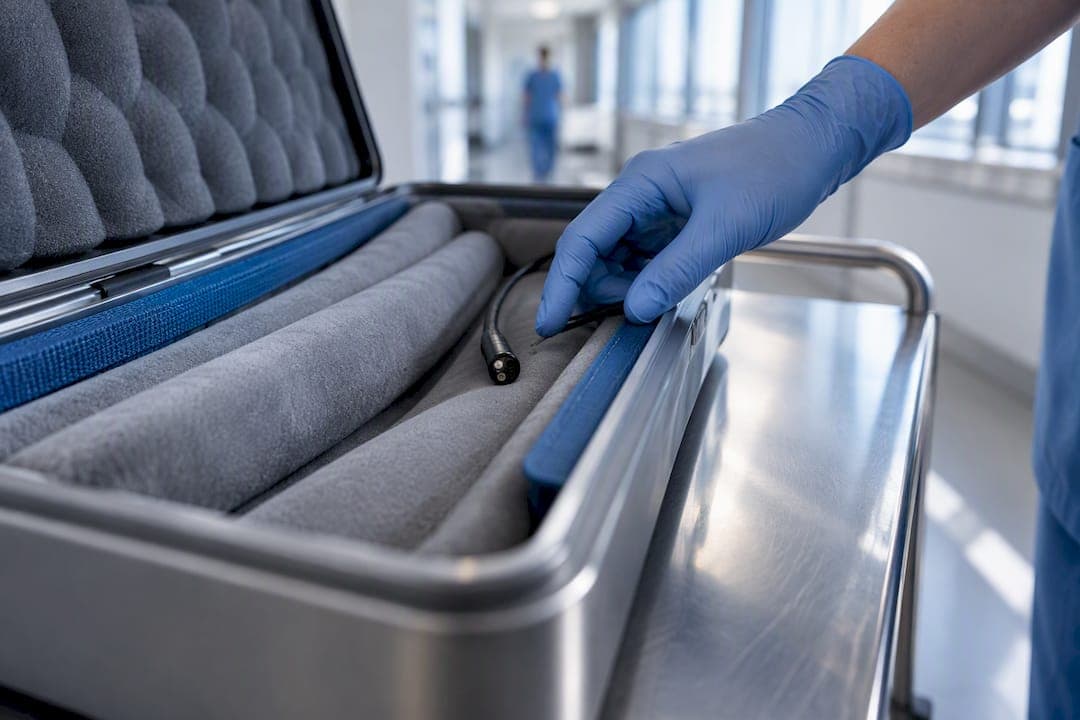
5 Steps Using Endoscope Transport Trays to Prevent Tip Damage
Practical transport-tray checks that stop tip damage and misrouting. Learn liner color rules, washer fit, cart sizing, and repair contacts for clinics.
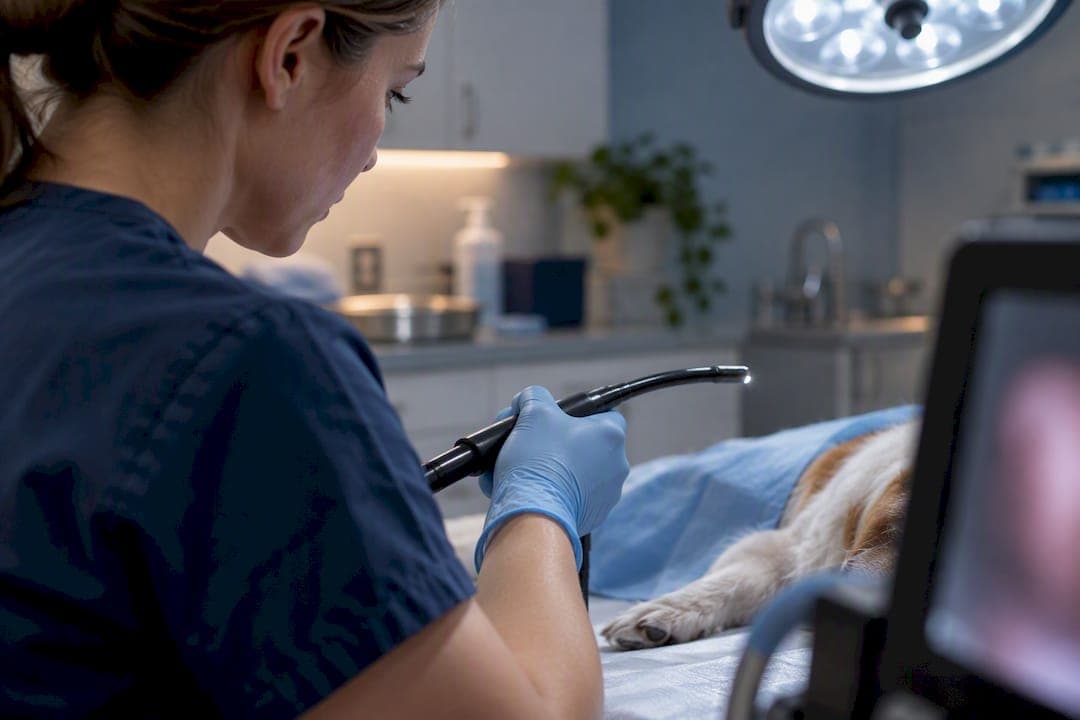
Prevent Lost Footage: 1080p Endoscopy Workflows for Vets and Inspectors
Practical workflow first guide for vets on 1080p SD/USB recording, continuous documentation, filenames, and local plus cloud backup.
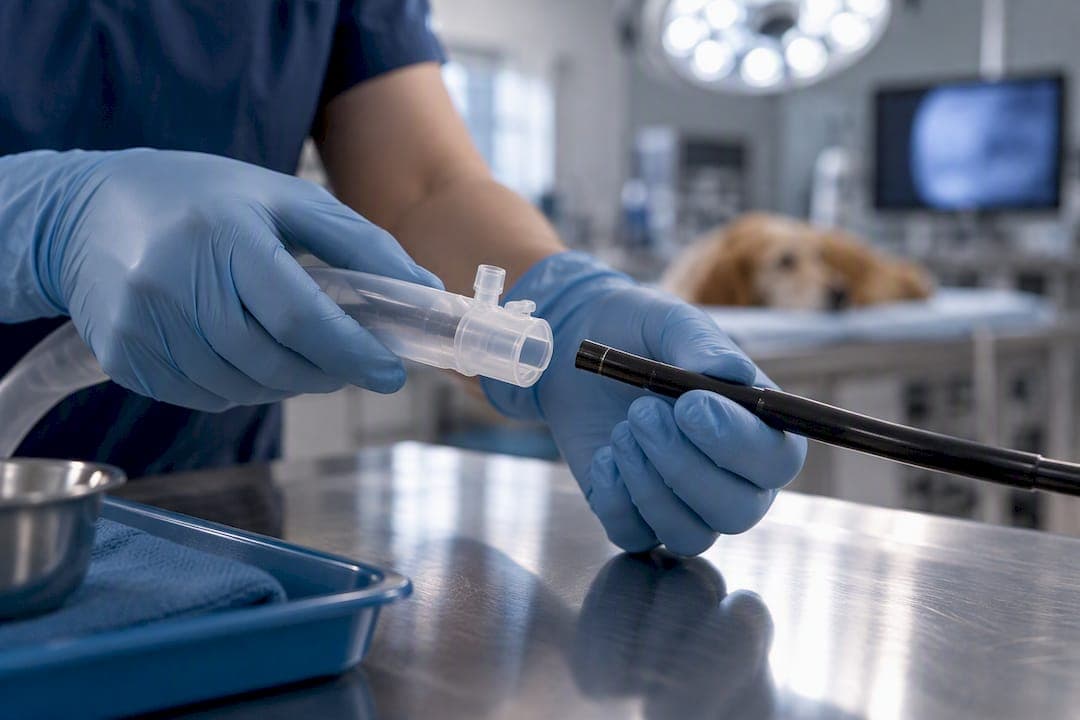
Prevent $10,000 Scope Repairs: Veterinary Endoscope Sheath Selection
Clinic ready instructions to choose, fit, and reprocess veterinary endoscope sheaths. Compare disposable and reusable costs, verify fit, and run leak tests.

Probes for 2,000°C: High Temperature Borescope Checklist for Technicians
Technician checklist for choosing high temperature borescopes: prioritize continuous temperature rating, allow 20 to 40% port clearance, and plan cooling...
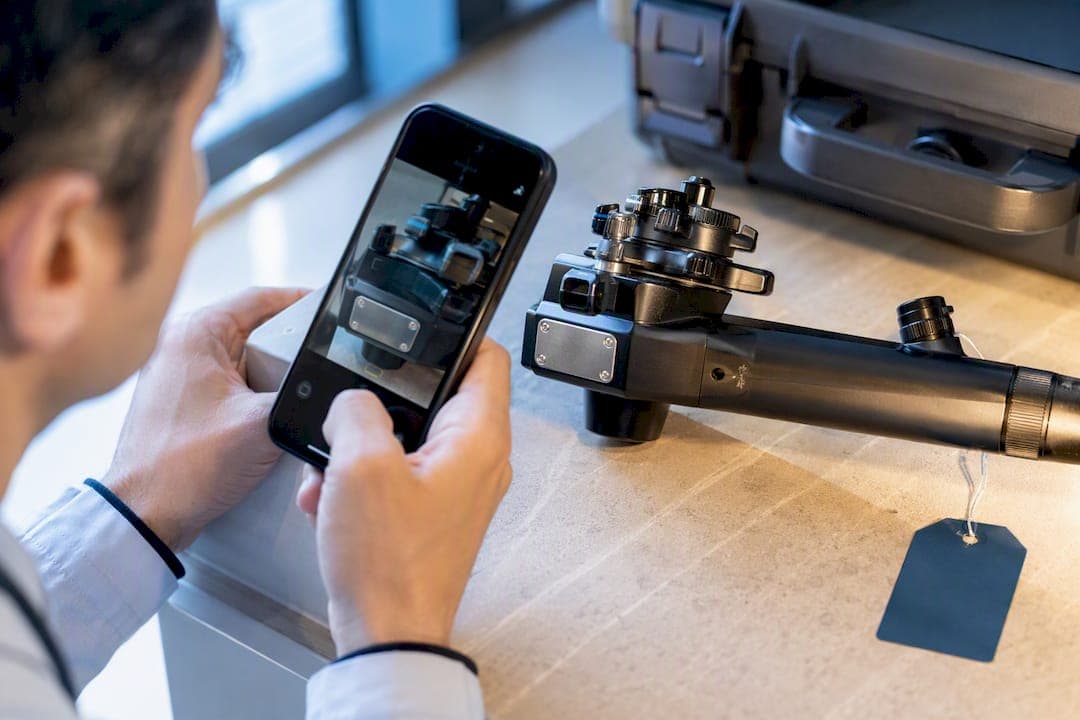
Endoscope Warranty Terms Procurement Must Insist On: RGA & 90 Day
Checklist for procurement teams: require RGA numbers, decontamination proof, clear warranty start dates, and 90 day repair coverage to avoid claim denials.
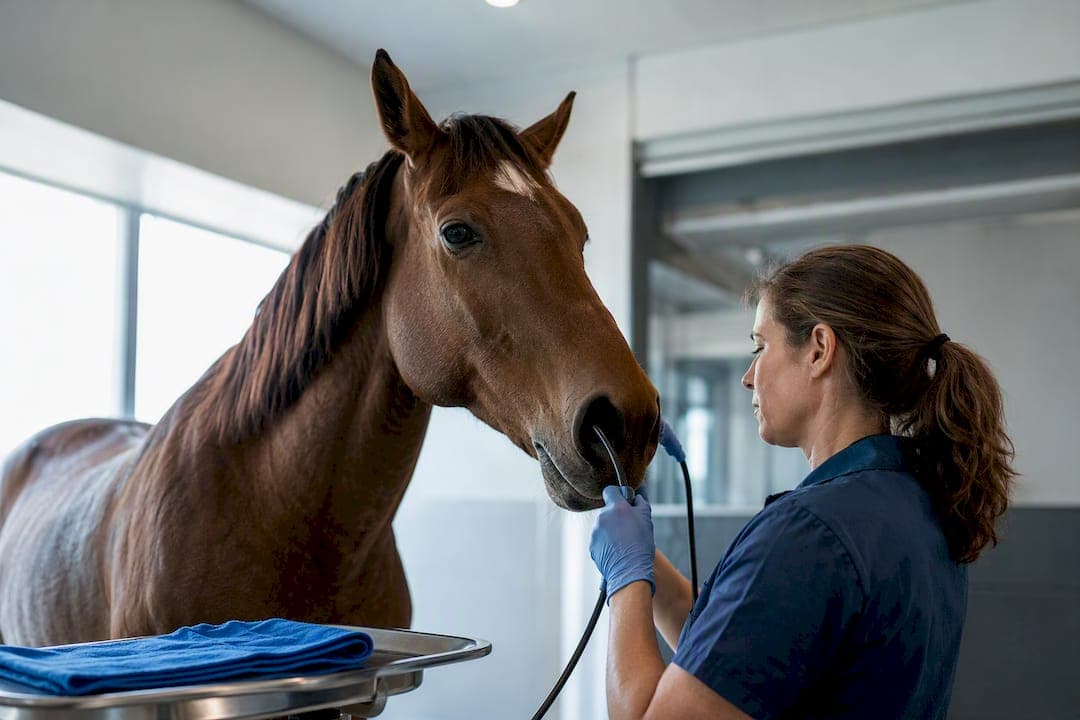
3 Equine Endoscope Lengths Every Clinic Should Own
Choose the right equine endoscope length: 1.0–1.5m for airway, 1.5–2.5m for bronchoscopy, 3.0–3.5m for gastroscopy. Includes diameter, risk, and clinic...
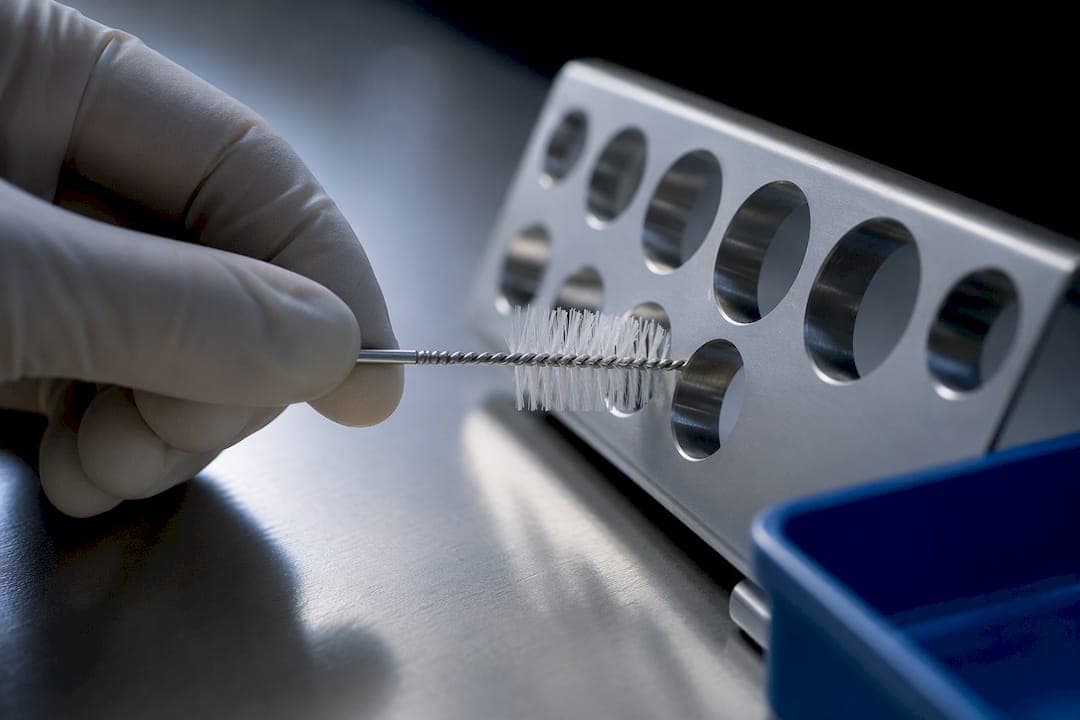
1.2–2.8 mm Endoscope Brush Sizing for Medical and Vet Teams
Clinic-ready SOP for sizing endoscope cleaning brushes. Covers 1.2–2.8 mm diameter bands, test-fit checks, single-use preference, and supplier sizing...
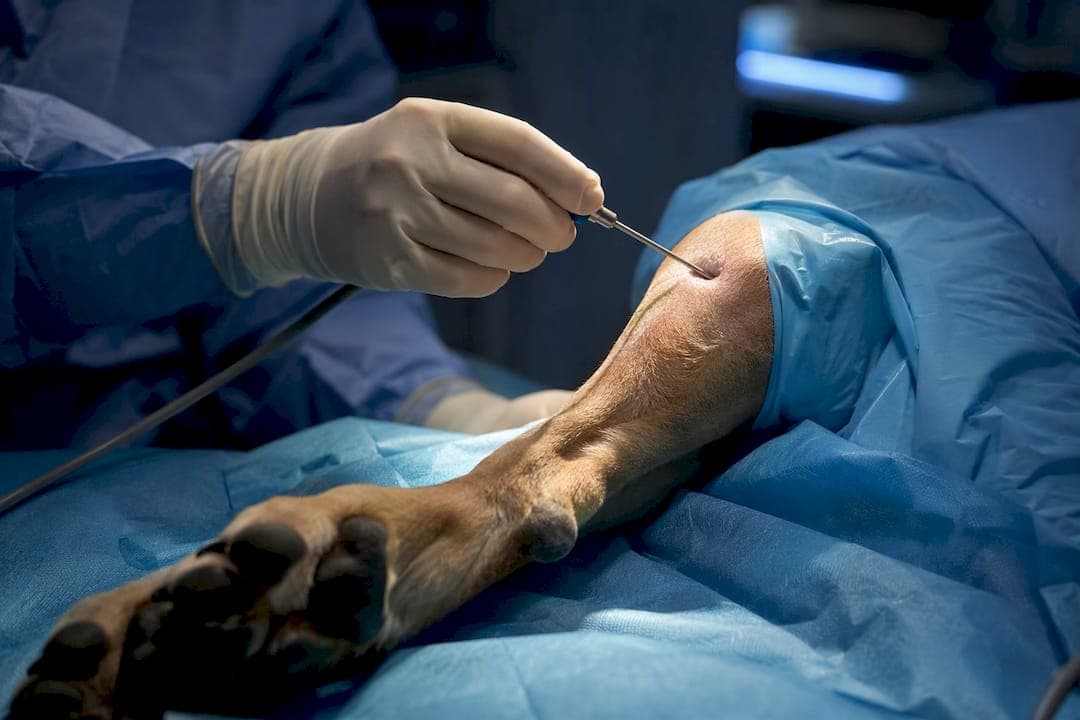
Lower Elbow Cartilage Injury: 2.4 mm Canine Scope Size for Vets
Evidence-backed sizing for canine arthroscopy: when to use 2.7 mm, 2.4 mm (lower elbow cartilage injury), or 1.9 mm, plus compatibility and buying checks...
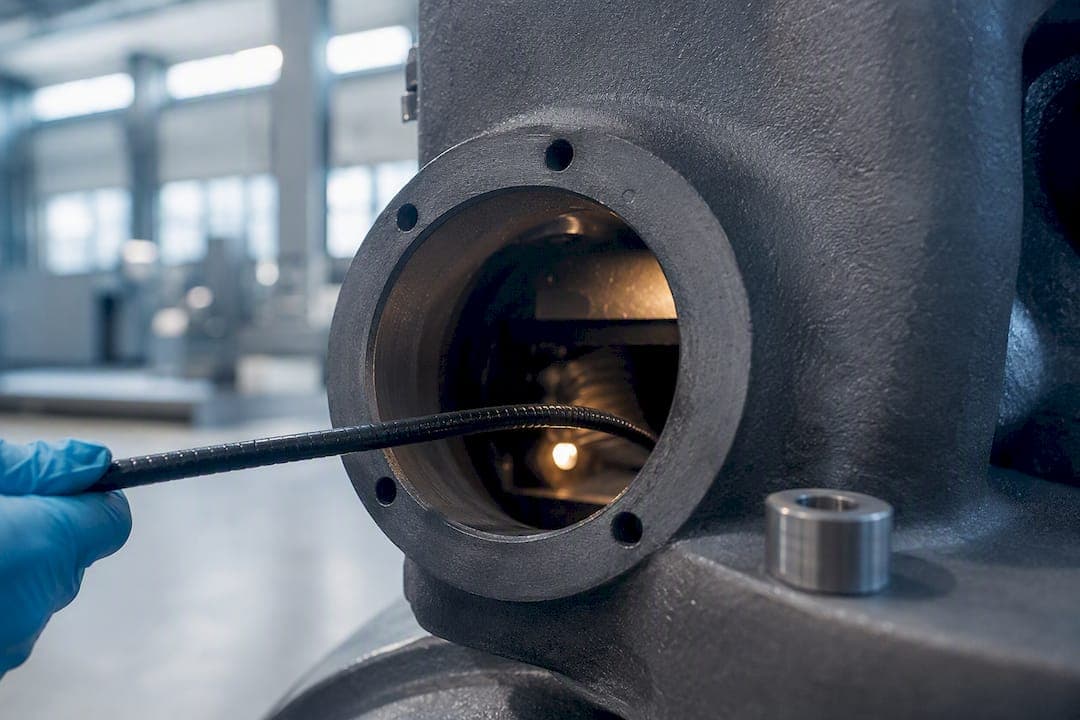
Industrial Borescope Size and Reach: Add 20–40% Safety Margin
Measure the access aperture and routed path, choose a probe about 0.5mm smaller, and add a 20–40% length margin. Industrial checklist, sizing bands, and...